Michael Bennett · Deputy Commissioner for P-12 Operational Support, New York State Education Department
Schools build whole systems around student care, but the same support for adults often gets skipped. No one should have to survive a tragedy to get this care.
The people around school leaders appreciate seeing them show up as people, not just administrators. Vulnerable moments can reshape how you lead your team.
End every one-on-one or interview with the same question: "Tell me what you do to take care of yourself." It does two jobs at once: gives people a moment to think about their own wellbeing and signals that the district or school's culture will have their back.
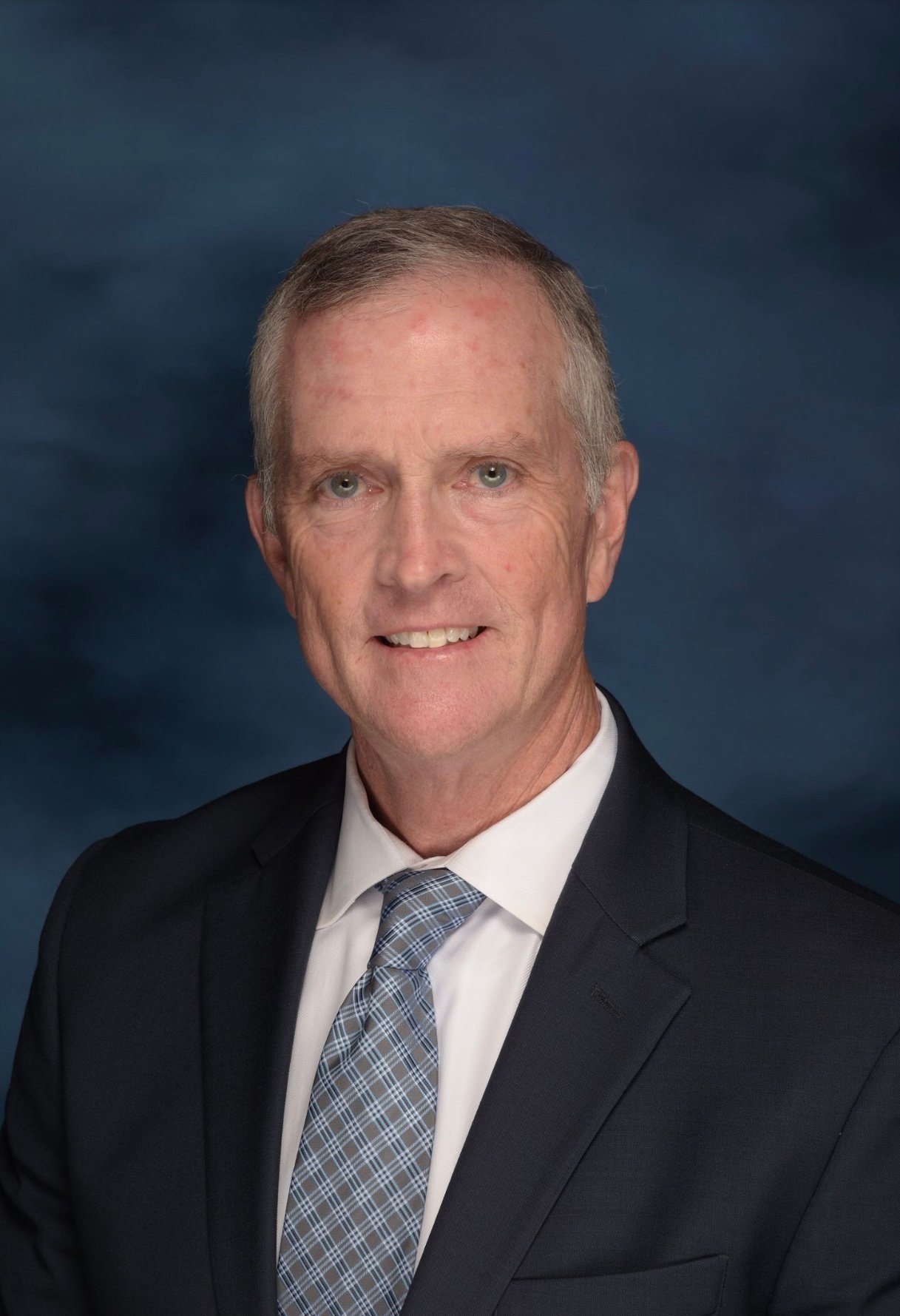

Deputy Commissioner for P-12 Operational Support, New York State Education Department
Michael oversees statewide plans and policies for safe, engaging schools across New York's P-12 system, a role he stepped into in April 2026 after more than two decades as a teacher, principal, and superintendent, most recently leading Greenville Central School District. He is also a national school safety advocate, and his perspective on adult wellbeing is shaped by his own arc from the classroom to the district office to the state level.
0:05
We'll monitor the Q&A for this amazing lunchtime uh keynote that we have here today. Michael Bennett. Uh Michael is
0:12
the deputy commissioner for P P through 12 uh operational support for the New York State Education Department.
0:19
Michael, I'm going to give you a quick introduction, but I will certainly not do it the full service. Um, and so Michael has led at every level of
0:27
education from the classroom to the school building to the district and now works at the state level supporting uh P through2 operations across New York
0:34
State. That full arc shapes how he talks about leadership, especially the part most leaders skip their own well-being.
0:42
At the Little Workshop today, he delivers a lunch keynote bit more of a conversation um around healthy leaders, healthy schools, prioritizing adult
0:50
well-being. a story, a personal story-driven talk about why taking care of yourself is a foundation of for taking care of everyone else in your
0:58
building. And Michael, I'm going to mute myself and let you take it from here.
1:05
All right, Kimberly, thank you so much to uh the folks at Alpaca and Karen and Alyssa and Kimberly. Thank you for the opportunity to to join this group today.
1:15
Uh, as you can tell as we started this, there's tends to be technology uh issues. I think they were probably on my end, user error on my side of things.
1:24
But I want to welcome everyone today.
1:26
And I think as we've framed this conversation, uh, I did have some slides prepared, but I think that really, uh, I
1:35
would almost rather just have more of a discussion and and talk to you a little bit about why I am where I am. uh what's
1:42
led me to uh this position in life. Um so I think the more you know about me
1:50
the the better understanding you may have around why this topic is important to me uh both on a personal level uh but
2:00
also on a professional level. Um as Kimberly stated, I am now the deputy
2:06
commissioner. I started here uh back in April. uh a job I never in a million years thought I would have. It was never
2:15
a goal, an aspiration. Uh I wanted to be a teacher. Uh I wanted to be a teacher and I wanted to coach. That's all I really wanted to do when I got into the
2:23
into education. Um and as Kimberly stated, I started as a um special
2:31
education teacher in a uh school district in upstate New York called Columbia High School. It was East Greenbush Central School District. Uh,
2:39
and I was one of the the fortunate ones to begin my uh my education and my teaching career uh in the school I
2:48
graduated from. I was a a graduate of Columbia High School u and now I had the opportunity to return as a special
2:56
education teacher uh at the high school I graduated from. And I I think it's important to know that u you know I I
3:04
grew up in a big family. Um, there was eight of us. I was seventh in line. Um, I like to call myself the
3:12
Whoops baby. Um, my six siblings were pretty much stepping stones. And then five years later, I came around. Um, and
3:20
then my parents decided to have my my little brother Rick.
3:25
But again, I think one of the things that's important to understanding my story is knowing how I grew up in in having a a family that kind of, you
3:33
know, big family like that, you have to learn to take care of yourself. And you had your siblings and your parents, but you know, you really had to start to
3:40
learn uh how to take care of yourself or resilience, a toughness basically. Um grew up in a family that all played
3:48
sports. So, I'm painting a picture here of um you know, growing up in the in the
3:54
70s and early 80s. Um really what it meant to be strong, independent um and
4:02
that's how you had to be in order to be successful. Um, so I started my teaching career with kind of that background u in
4:10
in you know how I viewed myself and how quite honestly I think society viewed anybody getting into education at this
4:19
point is you had to be you know pretty pretty tough. You had to be self-reliant. You had to be a leader and there were certain norms that came with
4:27
being leader. Um so as I started my education career uh I really started to begin to find some confidence in what I
4:36
was doing. I was again teaching side by side uh with some folks who had taught me uh coaching side by side with some
4:43
coaches who coached me and you know I'm trying to live up to that expectation and that standard and doing a pretty
4:50
good job of it. uh I think I was approached to uh look into leadership uh after my third or fourth year but I
4:58
wasn't quite sure that's what I wanted to do. So wasn't something I I did at that point but for many of us you know we have a
5:07
point in our career that is kind of that aha moment. Um for me uh that aha moment came on February 9th 2004.
5:18
Um that was the day we had a student bring a gun to school and
5:25
we experienced something that um you know in a lot of situations is pretty much a nightmare. We experienced the
5:32
school shooting and um unfortunately I was a victim of that school shooting. I was shot while uh myself and an
5:40
assistant principal went to uh first of all, we thought there was either a fight, there was something going on. Uh
5:49
we heard a loud noise and we pursued it and it was a pretty pretty large uh suburban school in upstate New York,
5:57
about 1,600 students. So, as we're rounding the bend, the assistant principal was probably about 8 to 10 yards in front of me. Um, and we turned
6:06
the corner and we saw a hallway full of smoke and a student walking away from us with just a barrel of a shotgun.
6:16
As John approached the student, the student got startled, turned, and unfortunately was able to raise his gun up and and get a shot off and hit me.
6:27
Um, so without getting into all the details of of that day or or or what went on
6:34
with with with that incident and again I have spent um some time talking about
6:41
this and presenting on on being a survivor of a school shooting, but what I want to really talk about is, you know, how do you get to that next point? How do you come back from that?
6:52
And I can tell you that the the aftermath of a school shooting was a was a roller coaster. And I will often often
7:01
present a a picture of a roller coaster because it had many ups and downs. Um I
7:08
will tell you that um no one died in our in our shooting. Uh I was the only one
7:14
injured. Um and so with that came a lot of uh folks who who saw us as kind of
7:22
heroes and and understanding what that meant. Uh never felt like that but was
7:30
constantly being called that. And so while that was happening uh I was struggling internally with
7:37
how I was feeling. Uh I had a was married. I had a four-year-old and a four-month-old. Uh two daughters at the
7:45
time of the shooting. Um and so again, trying to to live up to that idea of who you are as a leader and who you are as a
7:54
person. um kept playing in my head where internally I was falling apart and I was
8:02
really struggling with with everything that came along with the shooting and everything that you know immediately followed. Whether it was uh news
8:10
coverage in the press, whether it was uh different groups wanting to recognize John and I, uh whether it was trying to
8:18
keep my girls away from all this. uh our shooter survived, so we were going to go through a trial and trying to to go
8:26
through all of that. Um and so that became a big part of my struggle early
8:33
on. I did uh by the suggestion of a superintendent who really understood and
8:39
cared. Uh when I returned to work started me on a half days and thought
8:46
that was good for a while. Um but then I I struggled. Memorial Day came and I'll never forget going into school after our
8:54
break and having my first real anxiety episode where I was once again removed
9:02
from the school but via ambulance. Um, as much as I pled not to to to do that, here I am no longer in control of what was happening around me and inside me.
9:14
And that's when I really started to uh discover what um what anxiety was like
9:21
uh what living with eventually I was diagnosed with anxiety, post-traumatic
9:27
stress disorder and later depression as I really started to battle um you know my my my
9:36
importance of why I was where I was uh and you know my identity I was losing.
9:43
And so I I did not return to um the high school. Uh my wife and I made the
9:51
decision that I will go to the middle school in the district the next year and teach there for for a year in sixth grade in which I did. Uh I thought it
9:58
was a good time for me to kind of figure out, okay, new start, new beginning.
10:03
I'll be okay. Um but internally, while I was trying to externally show that I was okay, I was
10:10
not. And I battled that for for a number of years. Um I stopped doing any speaking engagements because I just
10:18
couldn't get through them after the first couple of months. We were invited to do many of them and I it just it got to the point where I would fall apart.
10:27
And so I decided not to not to do any more of that. My family and I made the decision that you know this was probably
10:34
the best. But what I didn't realize was that, you know, without talking about it and trying to bury it, it was just
10:44
gaining more and more uh internally becoming more and more explosive for me.
10:50
Um, but fast forward a little bit as I moved uh taught a year at the middle school and moved back up to the high school, uh
10:59
I was asked if I would be willing to teach in a challenge program for for kids with uh
11:06
behavioral issues and I said, "Yeah, I think I'm ready for that." And after a year of doing that, I became an assistant principal and worked with
11:13
those kids uh along with with other grade levels. Um after a year of that, I was called from
11:21
a neighboring school district to take over as a middle school principal. It was a 48 um smaller school district, but
11:28
asked if I would lead that. And so I I I took the opportunity to, you know, go ahead and do that. And um one thing I
11:37
didn't realize was that leaving East Green Bush in the Columbia High School, uh I left my support group. And um that
11:46
became really important to me without even knowing how important it was to me.
11:51
Everybody there knew my story. They understood. They knew how to support me.
11:54
I had some close friends. Now I was going to another school district where I didn't have any of that. And it was there where I started to realize,
12:03
oh my gosh, you know, I'm being asked to lead uh one memory that sticks out is we
12:10
had a uh a beloved nighttime custodian pass away after a shift at at the school. I got news of that the very
12:17
first thing in the morning uh and had to address our faculty and staff before the day started. and I lost it. I I I was in
12:27
a position where I had to stand up in front of people and and be the leader and be strong and uh I couldn't do it and and
12:35
I got through it. I shouldn't say I couldn't do it. I did get through it. Uh but it was extremely difficult. Um but
12:42
it was after that that I had you know I was there maybe a year and a half that I had u my faculty and staff come to me
12:51
and say oh my gosh we appreciate how much um emotion you showed it means a lot to us that you care that much about
12:59
us and without even realizing it and I'm I'm getting a little emotional now just thinking about it uh it really became a
13:07
catalyst of accepting who I was now and and and the fact that being vulnerable
13:16
uh was okay. And I realized that, you know, in order to be a leader, in order to to to work with
13:24
with adults, kids, your community, um they have to connect with you. Um and so I I
13:33
I continue to to to be able to lead and build a little bit of that confidence in my network of support there. current
13:40
schools. And now we're talking, you know, 2008 um to 201819
13:50
uh was also we started to see quite the spike in school shootings. Um school shootings were something that, you know,
13:56
when they came up locally in our area, people wanted to call me. They wanted to get my opinion on things. And I had shut
14:03
that out for an awfully long time. And it wasn't until uh 2018 when we had the
14:11
tragedy down in uh Marjgery's home and Douglas down in Parkland, Florida, where at that point I was an assistant
14:19
assistant superintendent at the school district my kids went to, but I was also filling in as a high school principal because we had lost ours uh to another
14:27
district and served there for about five months in that capacity. But if you remember, maybe you don't, uh during
14:35
that time, student walkouts and student voice really became very popular. Uh March for Our Lives became uh swept
14:43
across the country. I was asked to do a couple of uh talks, one at the the high school which we had our shooting and
14:52
then back with where my kids were now a senior and a freshman. And so I did those conversations and and through that
15:00
my kids listened to me tell a story that they really had never heard before and now they're hearing it uh in front of
15:08
their their classmates. They knew some of what what went on but really had never seen the effect of it on me. And
15:17
at the end of that, as emotional as that got, um, we had a great family discussion around, okay,
15:25
where is my lane in in telling my story and in leadership? And, uh, I really
15:32
fell on the the the the point of mental health because to me, I think that was the biggest thing that came out of Parkland. It was so many
15:41
people knew about this kid, but there was no connection to him. there was no conversations between organizations.
15:47
Everybody's in silos. And that really got at me and it got at the kids who spoke and it got at a lot of adults who
15:54
were uh upset by all that. And so I had done a one local thing. I was asked to
16:02
do something for a New York State uh educational journal um and to talk about my experience and that's what I did. uh
16:10
and unbeknownst to me, someone who also wrote in that uh New York State Journal uh experienced a school shooting uh in
16:17
Maryland, who happened to be in contact with the National Association for Secondary School Principles who were
16:24
putting together a group of u administrators who had been through a
16:30
school shooting. So I was contacted uh by a gentleman by the name of Greg Waples who u was leading this charge for
16:40
uh our group and they were looking to put together some folks. And so I got a call and interviewed with him and talked
16:48
about my experience. We talked a little bit about what the vision was and uh out of that came the principal recovery network and it was a collection of about
16:57
16 of us who went down to Virginia in 2019 and it was Marjgery Stillman Douglas, it was Coline, it was Sandy
17:05
Hook, um Shardan High School, uh Aztec High School in New Mexico and we got together and we told our stories and it
17:13
was at that point where I really knew that um I had to lend my voice to that.
17:20
And again, without getting into too much uh of what we do now with a principal recovery network, I took a lot of that
17:28
opportunity to to grow in leadership and advocacy uh and really started to take
17:35
that back to my school and my community and really start to impress upon uh my
17:42
leaders, my my faculty and staff the importance of taking care of ourselves and understanding that you don't need to
17:50
go through a school shooting to have experienced trauma and the importance we have of taking care of uh our kids. We
17:59
all know that. Uh but what I took away from you know my incident um was that we
18:06
didn't take care of the adults. Uh in fact our school closed down 3 months two months after the shooting just so we
18:13
could just keep the kids home just we never debriefed as a faculty or staff and that was a big mistake. So we had we
18:21
had a lot of uh a lot of learning that was going on.
18:25
But what I wanted to really focus in on was the importance of uh building relationships. And to me that is the cornerstone of what we do in education.
18:37
And yes everybody we can talk about academics, we can talk about the importance of that. We can talk about the importance of attendance. Um making
18:46
sure our kids are getting fed. All these things are very important and play a big part into um you know building a a
18:55
school district a school or a school district that is going to be successful.
18:59
But at the core of all of it is relationships and you know so for me that was the biggest piece the biggest t takeaway as a building leader. Uh I
19:08
found it very important to stress upon our faculty and staff the importance of family doing initiatives um that really
19:16
uh brought us together, brought in families uh whether it was weekend events, whether it was evening events,
19:24
you know, encouraging folks to bring their their families to to the school.
19:28
We started uh uh through New York State, we had the opportunity to do a mental health first aid with our kids, but we
19:36
did it with our adults first. And and you know, I was um fortunate to ask be asked to, you know, kind of share my
19:44
story a little bit and to the depths that no one who had worked in my building had ever heard uh that before.
19:54
And it became a powerful lesson for me to to to really understand people respond to to leaders who can be at the
20:02
forefront of of initiative and be vulnerable. Uh and I've had the opportunity to speak uh across New York
20:11
State and at a national level on the importance of um leading from a place of vulnerability.
20:20
Um because at the end of the day, what happens is it it it builds relationships. It gives people the
20:27
opportunity to see you as a person. Um and and really allows you to um connect
20:34
with folks. And when you're connecting with people, I think it's really important to understand that people are going to want to work with you. Um and
20:44
so that became an important drive of mine uh both at a at a building level, then as an assistant superintendent, and
20:51
then as a superintendent. Um, you know, I got the the opportunity to to do final interviews for uh all the folks who came
21:00
to work for for me in my district and I always made it a conversation and we talked about different things, you know,
21:09
that that previous committees would hammer down all the important stuff. I wanted to see if you were a right fit for what we were trying to do in the
21:16
district. And I always ended the the the my last question was always about tell me what you do to take care of yourself.
21:25
You you you've done everything you needed to do to be in front of students to work with kids to work in this organization. But it's important to me to know what you do for yourself.
21:37
Twofold. One, I wanted them to think about what they were doing to take care of themselves. But also, I wanted them
21:44
to understand that if they were going to come and work for for Greenville Central School District, they knew they were going to be cared for. And people were
21:53
going to be there and and be there for each other. Um, and I got to tell you, one of the saddest things, the hardest
22:00
things to do was to leave that position to come here.
22:04
um you know the the the reception I I received um by the the board of education in the district was very
22:11
telling by the students very telling um but it's gratifying in the sense that you know I' I've been able to to
22:20
be who I needed to be who I wanted to be and still be able to to be successful.
22:27
Um, I did not apply for the position I got currently as a deputy commissioner.
22:33
Um, it was the commissioner of New York State that came and and reached out to me and asked if I would come and and
22:42
lead this this this piece. So, um, you know, I I don't know if I got to everything I needed to get to um, for
22:51
for this group. I will tell you that trying to to put into a 25 minute u
22:59
lunch keynote was was difficult um was a challenge. I've never done it like this before. But I do want I I did think it
23:08
was important enough the work that Alpaka is doing was important enough to to lend my voice to uh this conversation
23:15
today. Um I am passionate about this work. Um, I think it holds a huge place
23:22
in what we do. Um so I just want to thank everyone for their time for listening
A 28-page companion built around the workshop. Use it to capture notes, find your three takeaways, and plan the year ahead.