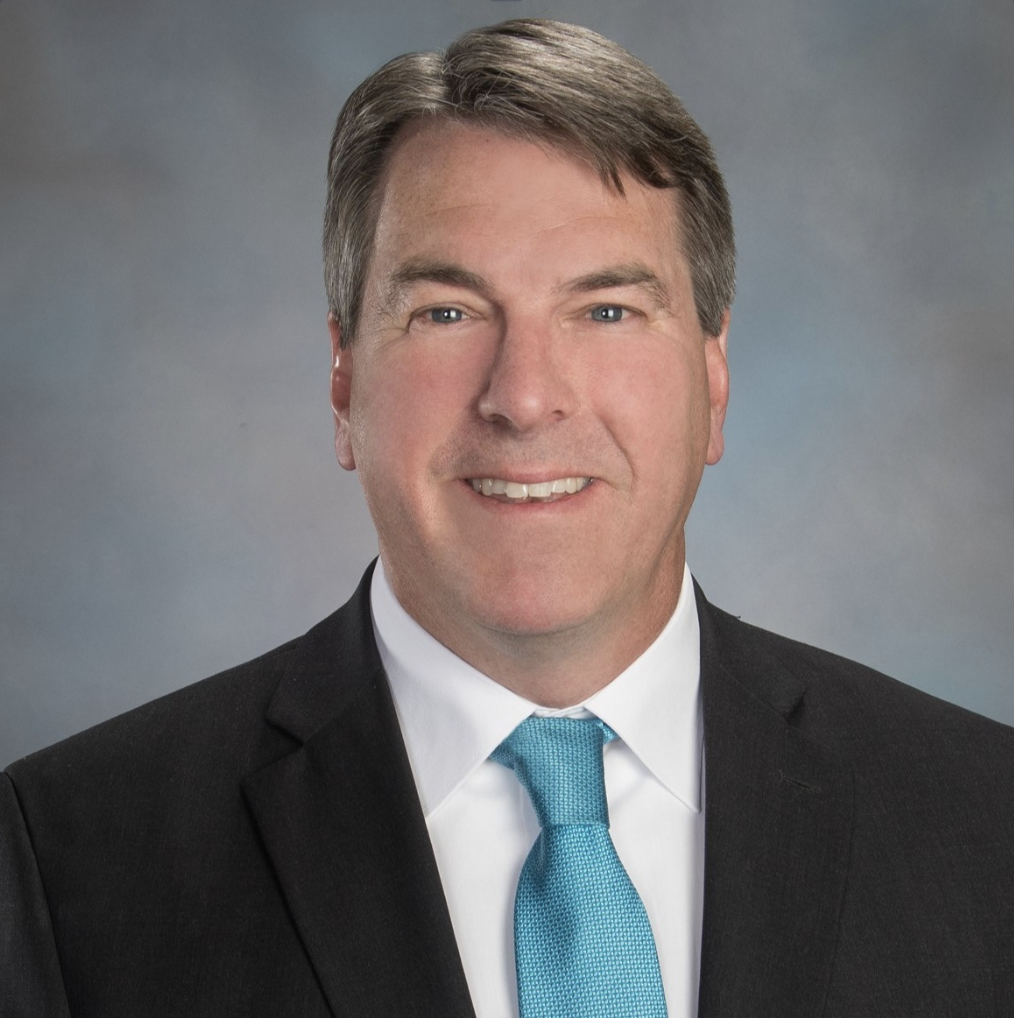
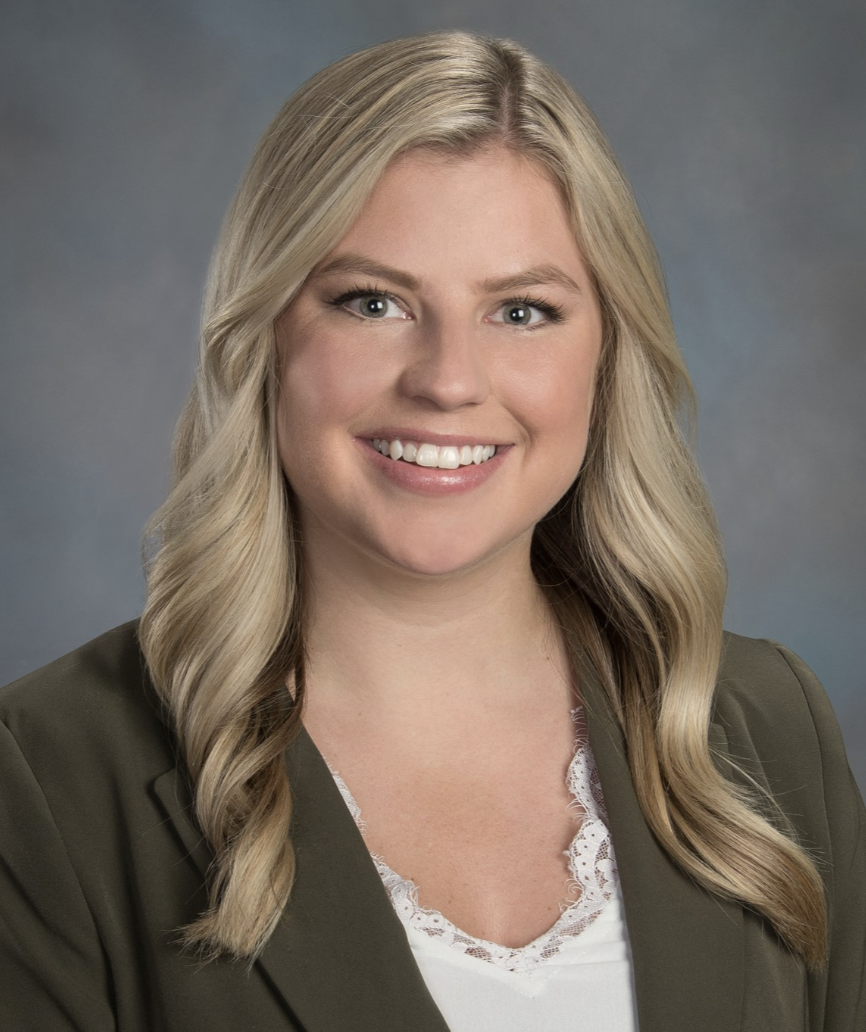
Jeffrey Collier, Superintendent of Saginaw ISD & Coty Kuschinsky Chief of Staff and Communications Director Saginaw ISD
Saginaw ISD's #1 non-negotiable is providing the highest caliber staff experience. They call it "putting on the oxygen mask first," because school culture for adults is what makes the gold-standard experience for students, families, and community possible.
Leaders can't be in every building every week, and trying is the wrong goal. The shift: build rhythms and systems that keep people connected to the culture without your physical body in the room. Plus, add 15 minutes before and after every visit so you can actually walk the halls when you do show up.
The "Our Story" platform lets every employee post photos and captions from their classrooms straight to the district's social and website. In three years, 750 employees have generated more than 6,000 stories, turning school culture work from a leadership responsibility into an organizational norm.
Superintendent, Saginaw Intermediate School District
Dr. Jeffrey Collier is Michigan's 2024 Superintendent of the Year and the 2021 Michigan Superintendent Communicator of the Year, leading Saginaw ISD's 12 local districts and roughly 26,000 students across Saginaw County. A Google for Education and GSV Education Innovation Fellow, he is known statewide for the Our Story collective authorship initiative and a serve, innovate, empower approach to public education.
Chief of Staff and Communications Director, Saginaw Intermediate School District
Coty leads communications strategy for Saginaw ISD and has helped the district earn six national NSPRA awards, including the Golden Achievement for the Orange Spot Recognition Program. A former TV news reporter with a Master of Arts in Strategic Communication from Michigan State, she writes and speaks regularly on how districts can tell their own stories with bold, inclusive, modern communications.
0:05
Next up, we have Jeffrey Collier and Coty Kuschinsky from Saginaw Intermediate School District. Uh Coty, I
0:13
just said that wrong and I am terribly sorry there. Um they're going to share how uh showing up visibly and often
0:21
helps you build the culture that you want. So, if you all uh would be so kind as to open up your workbooks, uh we're in going to be right at page 23. And
0:30
then let's go ahead and welcome Jeffrey and Coty with some applause emojis in the chat, you guys.
0:38
All right, Saginaw friends, the floor is yours. Thank you kindly.
0:43
Thank you very much. Um all right, folks. Well, welcome. Um we are going to be talking today about our story, our presence, building culture through
0:51
visible leadership today. Um so let's just do some quicker little introductions about who we are um from the state of Michigan because we
1:00
understand that educational service agencies operate different across the country. So I'm going to let Jeff take it away for um that first part there.
1:07
Well, hello everybody. It's really exciting to be able to be with you today and to be able to work in partnership with such an amazing company with with
1:14
Apogee say company really thought partners and uh brothers and sisters in arms. We're all stronger together as we move forward and build our leadership.
1:22
I'm Dr. Jeffrey Collier. I'm entering my 15th year as a superintendent. Michigan has 56 ISDs or intermediate school
1:29
districts um that provide global support and encompassing provisional leadership support for our local school districts
1:37
here. We are a countywide um entity with uh serving about 26,000 students, 750
1:44
plus employees and about $130 million budget in our organization. So in Michigan, even though our demography continues to shrink as much of the
1:52
country uh is showing with data, uh we are still a very scaled superintendent um leadership focused team that exists
2:00
purely to provide incredible servant leadership and customer service to our our constituent districts. And we are
2:07
focused on always looking at how we're talking about leadership, communication, culture, and connection. That's what we're going to be talking about today,
2:15
that sensibility of presence. So, uh, as we talk and dive into the ability to talk about scale, each of you will be
2:22
able to hopefully resonate to what your scale is at your district to be able to understand where your presence is, which is such a challenge in instructional leadership.
2:32
Thank you, Jeff. Uh, my name is Coty Kuschinsky. I'm the chief of staff and communications director here at Saginaw ISD. I just celebrated my four-year
2:38
anniversary on Saturday with Saginaw ISD, and I do have some experience in the private sector. um I was a former television journalist um and all that
2:47
good stuff. So um we have a bunch of different experiences to bring to the table and um I think Jeff and I in our partnership has worked well over the
2:55
years um specifically about visibility and presence around our district.
3:02
All right. So first we kind of wanted to share what does presence and visibility mean to us and also what does the research tell us. So we can say all day
3:11
uh yeah presence and visibility is important but why is it important and obviously we love making data driven decisions. So um has most of the team
3:20
heard of Gallup Human X or any sort of staff engagement tools? I see some head nods. Great. So um we started using
3:27
Gallup about 3 years ago now as our staff engagement tool. um and we did two um implementation rounds of that and
3:35
then we switched over to Human X which is an offshoot of Gallup um to be a little bit more team focused. So I wanted to share some data with you folks
3:42
that we've found um and then I'll have um Jeff take it away about how we've implemented some of these things. So um I'm going to take the first two bullets
3:50
here. Um Gallup has found through their research and I have that source below uh for you guys if you want to take a look at that later. Employees who feel
3:58
recognized are 45% less likely to leave their organization after two years. So, I know attraction and retention is big for the team here on the call today.
4:06
Effective recognition makes employees five times more likely to feel connected to culture. And Jeff, I'll have you take the rest.
4:13
Okay. I want to start with a question on this that's really going to frame where we're at. And the question is um for your reflection. However, how many of
4:22
you have felt that it's impossible for you to reach your organization wherever you are? Whether you're in a classroom, if you're in a building, if you are a
4:30
department team leader, if you're a superintendent, um how often have you felt inadequate in being able to reach and touch base with
4:38
somebody every single day? How often have you felt that you just need to be copied? there needs to be more of you to be able to handle more of the tasks or
4:46
be able to get into that lesson classroom that you wanted to be at or be at that student engagement piece or be in that team meeting. What we have
4:53
discovered is that that physical presence um is indicative of something that really drives culture and it's something that we have to be able to
5:01
think differently about whether or not we have the individual capacity and the capability regardless of what our role is to be able to lead from where we're
5:09
at and to control our controllables. So, we began asking a lot of different questions that sometimes have been on an
5:16
introverted reflection scale, not really great to hear the answers of, but we've been focusing so much on candor and transparency and trust that we've been
5:26
driving our decisions about presence as you'll see that drives our conversation today based on this research. So when
5:33
we're thinking about talent and attraction, we turn to two um very scaled, internationally and nationally
5:40
um understood uh pros in Gallup and Human X, which oh by the way also happened to be in the home city of
5:48
Alpaca in Omaha, Nebraska. So we started with Gallup and then we found that and Coty will talk to us a little bit more.
5:54
We switched to Human X. Our focus right now and our one of our non-negotiables, we have three non-negotiables at Saginaw
6:02
ISD. The first is to provide the highest caliber of staff experience. The second
6:10
is to ensure that we are providing the gold experience for our students, our families, and our community. And people will say, well, that sounds inverted.
6:19
Shouldn't it be students, families, community first? And we talk about putting on the oxygen masks for us ourselves to make sure that we have a
6:27
very healthy culture by which we continue to serve, which is our third non-negotiable. We only exist to serve and to lead forward. So, if we're not
6:35
providing that uh standard, if we don't have great staff and great culture, there's no way we're going to be able to lead forward and be able to enhance the
6:42
the possibilities that we can do. So our third non-negotiable is providing the highest caliber experience of customer
6:50
service and um student experiences for our community. So the first part of that that staff experience is what's driving
6:57
us in our research to be able to say how can we best attract staff? How can we make sure that staff feel important? How can we honor staff? And how can we make
7:06
sure that they have the ability within the climate that we're working to evolve to be engaged?
7:14
All right. So, with our results with Gallup, which we'll get into a little bit later, we definitely are diving in on that recognition. Um, so I would say
7:22
that presence and v visibility recognition is a tool to um do both of those things. Um that fourth bullet
7:31
there, we're talking about the switch from Gallup to Human X. Um, Gallup and Human X, both of their research has found that the leaders that the
7:39
employees interact with the most often have the greatest influence on their workplace experience. And then if we dive into that recognition part a little
7:47
bit more, only about one in three employees strongly agree that they received recognition in the past seven days. So, we've had a lot of um team
7:54
conversations of why seven days. Uh, folks get very stuck on that. We've got some analytical, you know, teams that are very black and white where okay, if I the seven days is ticking, here's my
8:03
time bomb here. Um, seven days really comes from you should know it as a no-brainer that the seven days don't matter because you know that it happens
8:11
so much that it must be a yes. Um, so just kind of frame your mind around that really quick and to consider your reflections as we move forward and your reflections are
8:19
going to set your your day and your experience moving forward. That fourth bullet is really key as we dive deep into ownership of presence. Whether
8:28
that's physical presence, whether that's influential presence, that fourth bullet is really, really key. And it's one of the hardest things for leaders to be
8:37
able to say recognizing we own this and we have to be able to think differently about where our presence is.
8:46
All right. So, we want to discuss how Saginaw is a little unique. Obviously, all of your districts and buildings um have
8:53
their own little quirks, tweaks, differences. Um so, we just kind of wanted to discuss how we are a little bit different where presence and
9:01
visibility might mean a different definition to us and how can we still do that where we might not be able to physically be there. So, Jeff, I'll have you go ahead and start with that.
9:10
Yeah, we are spread across an entire county and and this may be novel to you.
9:14
It may be something that you're just aware of. Florida, for example, if anybody's from Florida, are countywide school districts. Texas is similar to
9:22
countywide school districts. They're actually their school districts are called ISDs as well, but instead of intermediate, they are independent school districts. When we see this uh a
9:30
different scope and scale, I used to serve as a a superintendent for eight years in one of the smallest local school districts in the state of
9:37
Michigan. 125 square miles with 425 vibrant students uh running around. Our district was smaller than most
9:45
elementary schools. So, we had to rethink our paradigms here when we begin thinking about how do we connect 700
9:53
plus 750 when we're fully staffed across a countywide perspective with incredible diversity, incredible disparities of
10:01
socioeconomics, independent school districts that we work to serve, and this vast array of community partnerships as we stand within servant leadership and customer service models.
10:12
So one of the things that we realized very quickly is that physical presence is not going to cut it for us. It's impossible for us to be physically
10:19
present present all the time. But how can we shift the cognitive dissonance away from having physical presence to
10:27
being engaged presence and being able to share that as one culture or as we talk about one team one ISD. Regardless of
10:35
what department or building or part of the county you're in, we are together as one body of culture.
10:42
And because we have so many staff that are servicing our 12 local school districts, um they often and we encourage it for them to have a culture
10:50
identification with their district that they're serving. Um we've had staff that wanted to gift days back to that local district because they were trying to
10:58
help out a staff member with cancer. We aren't the same organization. So that's how embedded some of these staff members are within their districts. Um but that
11:06
makes it a little bit more complicated to um change or work on culture when those folks are so different and we
11:14
don't have that one tool where a lot of you are sharing that you you know pop into their classrooms or walk down the hallways um it's sometimes impossible and if you're already feeling that you
11:23
know in in one building you can imagine how that would feel um countywide and especially if we dived a little bit deeper down with that ancillary staff
11:31
there's so many different roles. So in in your buildings as well, you're talking with with custodial staff, you're talking with parapros, you're talking with teachers, you're talking
11:39
with maybe your other co-workers that are principles and in leadership. So that perspective of culture is going to be a lot different. That perspective of
11:48
visibility is going to be different. The possibility for visibility is going to be different. And then we often lean on that traditional communication of being
11:55
in person or sending those newsletters or emails and that connection might not be enough. Um, so we have little call
12:02
outs at the bottom of of some of these slides. Um, and I just want to leave you with shared culture requires more than shared employment. It requires intentional connection.
12:15
All right. So, next we're going to talk about the low hanging fruit, what I'm calling it. So, a lot of you again already shared in the comment section some of that physical presence. So, we
12:24
are going to show why this is different for us. um how we do things differently when it's physical and in person. So
12:31
Jeff, if you want to start off with that internal stuff that we're doing or I can take internal and you can take external if you want.
12:37
No, either either way. Um we we are focusing on providing a couple of what we think are are good practices and these surely are not all-encompassing.
12:47
They may be a thought spark for you. It might be something that you've done in the past and you want to revisit or something that you've heard about that you want to put your spin on. These are
12:55
things that we've decided or have found to become new best practices for us. And we're constantly iterating on these and
13:03
we do have a culture here um that I I sure hope that words are not cheap that our actions do match those that we
13:10
intentionally fail forward. We want to be able to continue to be progressive for the students and community of today and tomorrow rather than the nostalgic
13:18
beliefs or memories of the past. We all have those. I remember what my uh elementary and middle school and high school years looked like. I remember
13:26
what the mascot of my community meant. I know what it's like to grab a bag of popcorn on a Tuesday night volleyball game or go to Friday night lights. I get
13:34
all that. But we're talking about talent attraction in a post-covid new world that is designed for a global industry that's
13:42
never existed before. And yet we still fall on the same practices because it was good enough for us or was okay and
13:49
it was traditional. and where you land in that in your leadership journey.
13:53
Whether you're just starting, if you're experiential, if you're transitioning into a new district, if you're working with loggerheads and barriers within your central administration, wherever
14:02
that is, these are some areas that we can begin to lead from where we're at.
14:06
So, every time we go to one of our campuses or if we go to meet a local superintendent on another campus or if we walk into a hospital that we're
14:14
providing service to or a juvenile detention facility, the county jail, we we have our meeting, but we always build
14:21
in extra time to visit, talk, walk down the hallways, pop into a classroom, making sure we're not disruptive and
14:28
working to provide that physical presence when we're there. We have so many campuses sometimes I cannot get to a campus maybe every other month and
14:36
that's really embarrassing to me but it doesn't mean my staff can't be there and it surely doesn't mean that we won't have presence and then we extend that presence when we can. We also um there will be a video showing in a little bit.
14:47
We do a good job I think of surprising our staff with recognition visits and celebrations. We have an example of that. Um we have 750 employees. So, um,
14:57
if we had every employee once a day, it would take two years to get through all of our employees. So, we're constantly talking about building the content by
15:05
which it's not just us celebrating, its colleagues, its peers, it's the community. We bring uh leaders together monthly for a superintendent's impact
15:13
forum that we initiated this year. We found that communication although considered in a militaristic top-down
15:21
hierarchical org chart which we all know how crazy and ridiculous and sometimes purposeful that can be um sometimes that
15:29
information is filtered like the old uh phone game. So what we do is we are very intentional in making sure that we are
15:36
investing even at huge cost per hour of what the taxpayer may say to bring our leadership teams together once a month
15:43
to connect to convene to influence to facilitate with each other and be able to uh lead forward. And then we have a
15:50
gigantic opening day that we've invested limited resources in and have huge support by our board and our community to say we understand how important
15:59
culture is because when culture is right leadership and service can become better. Coty and then I'm going to pop into external
16:08
visibility. Obviously as a communications director that's a big chunk of my role. Um but I do think it's important because your uh staff and your
16:16
community are watching. Um so one we do host legislative breakfast where we bring all of our local legislators that
16:23
might impact our um school districts to a breakfast once a month. We also um as a district and as leadership participate
16:31
in our chamber events, community organizations and regional committees.
16:35
And then we maintain relationships with our local superintendent. So I think we have Allison Jordan on the call. Um hopefully she can attest to that. That's
16:42
one of our local superintendents. Um and then lastly, we support our leaderships and our um staff to serve on boards,
16:50
committees, and initiatives um beyond education. So, um we want them to be, you know, pillars in our community
16:57
because they are ambassadors um in in all ways that they represent us. And it looks like Allison says yes in in all
17:05
caps and exclamation points. So, thank you, Alison.
17:07
This is a picture here. We work for political outreach. It's not about us advocating as a sole voice of education.
17:13
We are facilitating and convening the connections by which our local superintendent, our local principles, business leaders can all come together.
17:21
And this was a great picture with three of our local house representatives in the state of Michigan who are so unbelievably diverse in their
17:29
viewpoints. um they absolutely represent the tenor of today's politics but work together to understand creative
17:37
solutions because we have been investing the time to get to know each other per first as humans and then be able to talk about what our solvents can be for
17:45
students moving forward. Just another example that is really just it's just a reach out and you'd be surprised how your legislators would want to come together.
17:56
All right, so again that was the low hanging fruit. Now we're moving on to how can you do things a little bit differently. Um so our story is our
18:04
communications initiative here at Saginaw ISD. We have been running it for three plus years now. Um and we just hit more than 6,000
18:12
um community farmed if you want to say story. So, what that means is we give staff access to our storytelling application and they can go on there,
18:21
write captions, share photos, and it goes right out to our website and um our social media pages. Moderated of course, because we have to have a little bit of
18:29
tentative control of that, but just to give you the quick synopsis of what our story is. Um, so scaling that visibility
18:36
means we're not just um showing up in person, but what can we do with our digital tools in our tool belt? So, like
18:43
I said, we empowered employees to become storytellers. They're not just the stories of our subjects. So, they can have that cell phone and that app in their pocket. And when they find that
18:52
something amazing is happening in their classroom, we definitely empower them, support, and encourage them to tell those stories through that program. And then we made recognition and celebration
19:01
a shared responsibility. So, they also use our our story program with that app to um do employee of the months, which you'll see in a moment. Um, so we are
19:10
allowing it to not die in a Google form anymore. We want to make sure that those 40 nominations that happen in a Google form, we're taking all of those and not
19:17
just the winner and posting those publicly. Um, and really having our staff do that where it's not just leadership deciding or a leadership nominating. Um, so we don't once we get
19:27
that monthly bucket, we don't choose somebody from it based on what the nomination was. We just do it at random in one of those little free wheels. So
19:34
it's not a leadership decision. Um, we've also increased visibility because of this across departments, programs, and locations. So, we have a
19:42
communications buffet. We still have all, you know, the newsletters and the email updates, the text messages. Um, we actually just uh launched a magazine
19:50
that goes out quarterly. We have all of those things, but our story really is the machine that operates in the background that is allowing our staff to
19:58
tell their stories. And what happens is, and I'll let Jeff speak to this from a leadership perspective, is when folks post on our social media and on our
20:07
website, it's kind of like a long feed of how they can stay updated with each other. So, not only are they having visibility with leadership, but with
20:16
folks that may have never even met before or didn't know that they worked together at the ISD. So, Jeff, if you wanted to talk about that a little bit.
20:22
Absolutely. What we're looking at is a wide spectrum of opportunity to be engaged. We know that engaged people are engaging people. So we look at this and
20:31
I saw a nice comment come across about the communications buffet. This is something that we've been talking about for really the last decade that has spanned across a couple of districts in
20:39
development of our story. But I think about my daughter who just turned 20 and my dad who's 79 and how they consume
20:47
content and media but they both represent constituent district voters.
20:51
So how they consume information, how they remain engaged with a service organization is really different. It can be as different as political opinions.
21:00
So when we think about a communications buffet, we have to think about how we're hitting different generations, different modalities, different accesses. And
21:08
that's where we want to make sure that if uh if somebody likes potatoes, we got to serve them four different ways. If somebody likes breads, we want to make sure we have some extra breads. We want
21:16
to make sure that we're gluten uh sensitive. We want to make sure that we're hitting everybody as best we can to be able to provide this communications buffet. And what that
21:24
does then is it gives everybody a viewpoint into the great things that are happening here. It allows a shared
21:31
governance that really is crowdsourced as Coty was just talking about. And it's impossible for Coty as chief of staff or Coty or Kimberly as our communications
21:40
team. If you think about our communications team is really uh one person that's shared in in two different areas. We have 750 people can canvasing
21:49
an entire county. How in the world did we get 6,000 plus stories? It's because we have shared governance and we're crowdsourcing the positivity of what's
21:57
going on. Many of you may have heard or se seen Joe Sanippo speak around the country. He talks about the million magic moments of awe that take place in
22:05
the classroom. If we compound that across a campus, a building, a department, we're talking about tens of millions of magics, moments of awe that
22:13
we take for granted or the community because we have been such a a global commodity. Just assume these things are taking place. And we miss the first
22:22
tooth that's being pulled out um or dropping. We miss the first time a kid can go across um the swings or swing on
22:29
their own. We miss the opportunity of a really great celebration of an essay or the first time a student stood up to do a poetry jam, but the classroom's not
22:38
missing those things. And we've empowered everybody to be able to take it in real time and then celebrate the students, the team, the lesson plan,
22:46
whatever it may be. Or what we found is even more powerful is celebrating each other to really get into shared governance of peer review. the old
22:55
pineapple charts that we used to talk about popping in to see classrooms, learning from each other, staying back at the at night before you go to bed and
23:02
reviewing our social media pieces. And it's not perfect, but it's a start. And it's a start we're willing to take the next couple steps on. 6,000 stories over the last 3 years. We have 750 employees.
23:14
That quick math doesn't add up very much. I'm surprised we don't have 10 stories a person every single day with all the positive things that are
23:21
happening. But um Coty reminds me we break the internet. I'm willing to try that. What we're our goal is is to
23:28
empower everybody to have the comfort by which they know they can lead from where they're at without the physical presence
23:36
of the engagement. So taking a look at the data, the research, providing the encompassing ability to truly drive
23:44
choice. We know that we cannot change anybody's opinion, but we can create a climate by which people can choose how
23:51
they wish to positively engage with our culture. And that's what this initiative is.
23:56
Thank you. Um, and I wanted to call out the screenshot because I know that's probably a small one for an example, but
24:03
um, this was shared yesterday um, on our social media page by our staff. Um, so this is our workbased learning staff that took our special education students
24:11
out to one of our um, local organizations, Amigo Mobility. Um, so if you've ever seen a little Amigo cart at your lo local grocery store, that was
24:19
probably them that's um, built in Saginaw, Michigan. Um, so I would have never have been able as a communications director to be there and capture this
24:28
magic moment. So the staff were able to, you know, use their application, post it online. I know about it. And now Jeff
24:35
knows about it. So if he runs into our vocational consultant, Susanna Williams, in the hallway, he can say, "Hey, Suzanne, I saw that awesome post that you made last night. Tell me a little
24:43
bit more about that." that and she feels very seen and heard in ways that she didn't have to like send an email to kind of give herself a pat on the back
24:50
to the superintendent. He sees and knows that that is going on. And then also her co-workers know those things too. So it's not just about the leadership
24:58
visibility, it's about our staff as a whole because again when you're a large organization as as we are. Um it's it's
25:06
difficult to do and there's so many cross-sectionalities of this department or program does this and this program could help with that and this is kind of
25:14
a way that they can keep up with each other. So um it's definitely been a conversation piece. Um, I will say a tidbit. If you guys have executive
25:21
assistant staff at all or any help when it comes to your calendar, I would automatically bake in maybe 15 minutes before and 15 minutes after whatever
25:28
visit that you're doing um at a building because uh we make sure that you know Jeff has time to walk around even if he's about to be a little bit late. We
25:37
try to keep him on task obviously, but um he's able to bring up these conversation pieces with his staff in ways that they they feel very recognized. Um so we we try our best
25:45
with that strategy. just a moment longer on this. The the winds are infinite and we haven't even scratched the surface on all the winds. This post is an example
25:55
that took place less than 24 hours ago that hits a group of students who are not always celebrated a global industry that is right here as we honor in
26:03
Saginaw. So, it's an economic, it's a commerce. The chamber of Saginaw County has already weighed in on this post.
26:10
It's going out in ways to be able to provide in interesting observations, more awareness, and it's celebrating our staff and it's building culture and
26:18
climate by which we can do that. We did not have to be physically present, but the voluminous amount of our presence is growing because we've empowered our team
26:27
to join and be active engaged authors with our culture.
26:31
And so the call out for this um this section is our story transformed visibility from a leadership responsibility into an organizational
26:39
norm. So it's for everybody. It's not just for you as leaders in the room.
26:45
All right. Next, we're going to share a quick video. It's just a minute long of that um employee of the month program that we do. So, this is another way for
26:53
us to be visible, but we take the opportunity in person and scale the visibility to be public and um post it online and through our um internal channels as well.
27:10
Hi, Angel. Good morning. Good to see you for the second time today.
27:16
We're here to celebrate you as our Orange Spot recipient.
27:20
So, what I'd like to do is read this is from Miss Britain, Miss Tammy Britain, and she shared that Angel builds amazing
27:27
relationships with students and staff, not only in our classroom, but throughout the entire building. She consistently goes above and beyond as a
27:34
true team player, always stepping in to support any student or staff member in need of a helping hand. Thank you.
27:40
Angel's dedication, positivity, and commitment to others truly make a difference each and every day. Thank you very much. Thanks for being an amazing leader. always leading forward.
27:50
Thank you. Thank you.
27:51
Thank you. So, congratulations.
27:54
You're in the long lineage of Orange Spot recipient. Thank you. Thank you for your contact.
28:17
All right, folks. You know how difficult it is to try and get out of videos on Canva. We've already discussed this today, and it's just always something with Canva. So my apologies for that.
28:29
All right. So um next we wanted to talk about being intentional about these um
28:36
efforts to be more visible and um have connection with our staff. So I wanted to share with you our strategic compass which is just a fun branding of a
28:44
strategic plan so that you could see our pillars and see our intentionality behind that. So our first pillar is educational advancement.
28:52
Our second is cultural improvement. So this is a big one for that visibility p piece. We want to fortify an organizational culture of transparency,
29:00
accountability, and continuous improvement. So we're using that those data points. Workforce excellence is also a big one. We want to recruit, develop, and retain a diverse, high
29:08
performing workforce. So that goes right into our our Human X data and making sure that we're working on staff engagement and culture, community
29:16
engagement. So we want to cultivate and enrich meaningful partnerships and community engagement with um not only our external partners but internal as
29:23
well and and understand how Saginaw ISD works as in a system of our county um as
29:29
we work to service those 26,000 students and then lastly sustainability planning.
29:38
So more data for you all today. So measuring what matters. So we want to explain to you what our approach is.
29:45
we're going to give you the results, the nitty-gritty of it all. So, um, our approach is we want to measure that employee engagement consistently. We want to share our results transparently.
29:55
So, when we got our results back, both with Gallup and Human X, we posted them publicly. So, that went out on social media, that went out in a newsletter,
30:03
that went out during um, meetings. We wanted to make sure everybody saw it, everybody understood it. Um, and then we developed action plans based on that
30:11
feedback. And then we keep revisiting and refining strategies over time. So an example of that is obviously moving from Gallup to Human X. We made the decision
30:18
that we need to focus more on teams because of how unique we are. So we wanted to make sure that we focus down on not just an organizational picture as
30:26
a whole, but as um our team because of how unique we were. So um Jeff, I'll have you go into the results unless you'd like me to take that.
30:34
Well, yeah, the the results are not what we want. They're less than 100%. Um this is indicative of the need for us to
30:41
focus on culture and climate environment leadership communication and this was our first base score that we received
30:48
about 10 months ago when we switched to human X and Human X has in the upper right hand quadrant the most highly
30:55
satisfied most highly engaged uh staff members and that's less than 50%. That means that more than two one in two
31:01
people are not highly satisfied or highly engaged. Well, how in the world does that hit our non-negotiables if you're not highly satisfied or highly
31:09
engaged? How are you going to be able to provide the incredible gold standard of servant leadership and customer service that our community deserves? So, we are
31:19
very transparent. We're standing bare naked at the crossroads of saying we are not perfect, but we're striving to get better every single day. As you take a
31:27
look and what we're assured of by those that are the data scientists is that we're in a really great spot. Um, statistically there's going to be about
31:35
5% that no matter what you do, if you give them a million dollars every single day at noon, they still may well be disengaged. And as the boat is moving
31:44
this way, they're rowing the opposite way. Or sometimes, especially if we get into some of our positive psychology theory, not only are you rolling the
31:53
boat one way, they're in the back of the boat drilling a hole in the bottom.
31:56
That's just something that's going to happen. And sometimes that can be changed on a daily with morale.
32:01
Sometimes it cannot be changed, but this is the data that we've been taking a look at. Um, we're really excited about this year's data survey. We've been very
32:10
intentional about communicating our why, linking it to a strategic compass, following up with uh measuring data that matters, and describing and linking this
32:18
to a non-negotiable about why we wake up and come to work every day to serve and to lead. Cody, do you want to talk about uh the Gallup increase and the statistical significance?
32:28
Yeah, absolutely. So um like I said earlier um we did Gallup twice before we pivoted over to HumanX to be more team
32:35
driven. So our first implementation of the survey we um had a result of 4.11 and then we only increased it 5.06. Now
32:44
I say only um that was expected. Gallup let us know that it's going to hurt a little bit to see that but to you know
32:51
change a ship's course in comparison to a jet ski is a little bit different. Um so I I liked that analogy that helped a lot. Um but what it meant though the
33:00
bigger move um culturally is that we cared enough to survey them at all and then transparently share the results and
33:08
what our movement was and our strategies. So I think that was the bigger change that we were looking for and if we kept you know rolling this out
33:16
with practice obviously that would have been a little bit different but now that we're changing to um human X you guys can see the results there and Jeff
33:23
explained it perfectly of what that lower L looks like. Um, so that's more focusing on teams where we can be a little bit more surgical in our strategies and our response to the
33:32
results. And then a big piece for us because we understood that recognition tied right into that visibility piece is that we wanted to focus on their
33:40
question four which focused on recognition. Um, so we that was our lowest result out of our 12 questions.
33:46
And so we received a 2.72. Um, nationwide um globally that's the largest issue that Gallup has. um the results are
33:55
always that um Q4 is the lowest um industrywide. So um we did increase that um by over.2 which is statistically
34:05
significant. So we were very excited that our efforts over one year um we doubled tripled down on recognition um made sure that was a big piece for us
34:12
and and we had some results there. So we were very excited about that and we're continuing to work on that with human X. Um but again I think go ahead.
34:19
Yeah anecdotally uh is this working? Is it not working? We're we believe that it as absolutely is working and we had a
34:27
wonderful opportunity even though there's attacks on leadership transition. We had several team members from an executive lens become executive
34:35
directors in other school districts. We have one become a new assistant superintendent and a new superintendent in the state. So as we're building leadership and moving on, we've become
34:43
um uh we've become a place of incubating leadership to be able to continue to move forward. So that sometimes can be taken out of context and thought well is
34:52
that not good every person is moving on to parts of the state to lead forward u under the the consideration of what we've been doing. And then the anecdotal
35:00
feedback is we in in filling those roles people are coming into our interview positions. We're saying do you have any questions? They're saying is this real?
35:08
We're doing our research on is this real? This is is this contrived? Is this an advertising sticktick? The last four executive hires that we've had since
35:16
March um have all been national candidates. We had just hired somebody from New Orleans moving their family to
35:23
Saginaw. San Diego moved their family to Saginaw. Wisconsin moved their f family to Sagen on Saturday and started on
35:30
Monday. Um and then our director of HR, our new director, Dr. Elizabeth Wolf, excuse me, um has just recently moved
35:39
back to the area. Previously, was living in Morocco and Egypt. So we believe that the culture that we're building is not only attracting a national workforce of
35:47
the highest caliber of talent, but it's also allowing us to be much more selective as we talk about sometimes sports axioms that talent is our floor,
35:56
character is our ceiling, and it's all starting with this engaged culture of being able to be present without always having to be physically present.
36:07
All right, so lastly, I know we're coming to time here. We're going to leave you with some reflection questions. I know that you have um something similar maybe worded a little
36:15
bit longer in your workbooks from us. Um so visibility where are the most important places and moments for your
36:21
visibility as a leader ownership where could ownership be expanded beyond leadership just alone and I would argue
36:29
to Jeff's point beyond just those in person touch points storytelling. What stories are currently missing from your
36:36
culture? Do you have any expanding um thoughts on those? No, I think that's going to cover it. I we were talking as we were prepping and and with Jessica I
36:45
said so we have 30 minutes to talk about eight years worth of work. Okay. Um I can say this. I am so humbly gracious
36:52
for you to select this session and to be able to listen so that we can learn together. I would also invite any type of responsive feedback that you'd like
37:01
or any questions that you have. If you'd ever like us to come and see you, if you want to come and visit, we want to talk more, we take this offline, online,
37:09
whatever, please know that we are in this together. And I believe that we're stronger together.
A 28-page companion built around the workshop. Use it to capture notes, find your three takeaways, and plan the year ahead.