Genevive Core, Principal, Nelson Mandela Elementary School & Susan Toohey, Superintendent, Nelson Mandela Elementary Inc.
Map each decision to a part of the tree: leaves are simple and autonomous, branches inform the team, trunks need feedback before action, and roots need full buy-in. Naming the level out loud reduces conflict over who owns what (especially when roles change).
Every team has chainsaws (idea-cutters), woodpeckers (constant noise, little action), and nests (settled and change-averse). The fix isn't to avoid them; give woodpeckers a real solution to own, and push nests into a stretch task so they have a reason to fly.
At the start-of-year retreat, have staff write down what the school needed and then name a champion for each idea. If no one steps up for a project, it goes on the to-do-later list, making it clear that admin can't carry every project and shared leadership means picking up your piece.
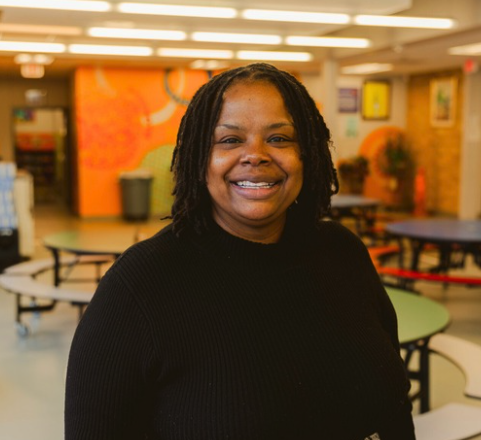
Principal, Nelson Mandela Elementary School
Genevive Core is the principal at Nelson Mandela Elementary, where she has grown into the role alongside Dr. Toohey since the school's earliest days. Together, the two have shaped a model where leadership, recognition, and decision-making are shared across the team and felt by scholars and families in the daily life of the building.
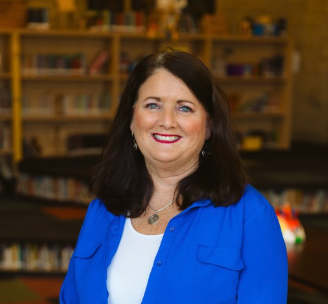
Superintendent and Head of School, Nelson Mandela Elementary
Dr. Susan Toohey is the superintendent and head of school at Nelson Mandela Elementary, a private, tuition-free K-5 school in North Omaha funded by the Lozier Foundation and the William and Ruth Scott Family Foundation. An Omaha native with prior leadership roles at Omaha Public Schools and Marian High School, she earned her doctorate from Creighton University in 2012 and calls her work at Mandela the pinnacle of her career.
0:07
All right, welcome back everyone. Um, we'll let Sue share her screen again and and get uh started on the rest of the session.
0:14
Well, that was exciting. Lots of great pictures, lots of great joy. All right, Dr. Toohey, take it away.
0:24
You are muted, I think. Oh, Dr. Toohey, sorry.
0:27
Oh, all these things. Okay, so welcome back. Well, Nelson Mandela Elementary is in Omaha, Nebraska, and it was created
0:36
with the intent of demonstrating that if you actually put all best practices under one roof, you can actually change the opportunity gap that exists for
0:44
children in literacy. So, that was the main reason this school was established.
0:47
It is a fully funded private school. We don't charge tuition. It's all funded by two foundations.
0:54
And um when I was approached with the opportunity to start this school, one of the things I recognized early on was I
1:01
had never been an elementary teacher. So I'd been an administrator, but I didn't have that same experience and definitely needed to use shared decision-m with how
1:10
we were going to open the school, develop it, and um put best practices all together. So this first picture on the left, the one that says then is how
1:18
big our staff was. We were 12 people. Uh we opened up with just kindergarten and first grade, but we literally sat down in this room and started going through
1:26
every single decision that we were making from the nap time to how we were going to provide lunch to how we were going to recruit families. And all of that happened with this entire team from
1:35
the secretary to the custodian to classroom teachers. Um and that model resonated with I needed to do it because I didn't know what I didn't know and
1:44
these were the experts and we've kept that model growing. And Mrs. Core, I'll pass it to you.
1:51
Oh, you're muted.
1:55
Yes. Thank you, Dr. Toohey. And if you look at the now uh picture, we have grown from 12 to I think I counted the other day 45.
2:07
And um this picture doesn't even um demonstrate our full capacity right now.
2:13
Um this was a a few years ago but we have grown and that decision making um continues to be shared. Um you know
2:21
building on uh others leadership capacity is huge for us here at Nelson Mandela. Um and we will talk more about
2:29
that as we go through the slides. So yep. Thank you.
2:35
So we borrowed this model um just to help Mrs. Core and I have very concrete explan uh conversations with each other
2:43
about decision-m. So when I said when we first opened up, I was the counselor, I was the nurse, I was the principal. So I
2:51
had a lot of hats. And then as we grew, we had different people taking on those roles and responsibilities. But the biggest shift was when we hired Mrs.
2:59
Core to be the assistant principal knowing that I would be exiting as the principal role and moving into the superintendent's position and she would
3:07
come in as the principal. But as some of you may have experienced in your own own worlds, when you change positions and the other person is still in the mix, sometimes that can be a little scratchy.
3:18
There can be some conflict. There can be some territory issues. So we engaged um with a consultant who helped us really
3:25
identify roles and responsibilities but also how are we going to continue this shared decisionm um to empower other people to make those decisions.
3:36
So this is the model. The tree is the metaphor. So leaf decisions are simple, very actionable. Um okay, I have to cheat and go to my next slide first.
3:46
Yep, I'm coming back to it. Um and then we have branch that things are going to take um action inform the team but they
3:56
they don't need higher levels of approval. The trunk decisions they really need to get a lot of feedback and then root decisions that's really you
4:03
have there's no moving forward until there is uh consultation with others and buy in and then you take the action. So we're going to give some examples of
4:11
that and Mrs. Core is going to talk about leaf and branch decisions. Yeah, I want to say um through this transition, this is my eighth year as the principal.
4:21
Well, six years as the principal um my first two years spent as the assistant principal as Dr. Toohey said, but working
4:29
alongside with Dr. Toohey and really figuring out um what need what decisions need to happen and who needs to make
4:36
those decisions. Um her trusting me in making those decisions has helped a lot.
4:42
Um, so those LEAF decisions are are are simple things like do we have teachers
4:48
uh turn in lesson plans and um you know and we go through uh decisions like that. But one of the things that I make
4:56
sure I I do is show that my teach show my teachers that they have autonomy. So what lesson plan uh template they use.
5:05
Um if they do turn in lesson plans is not the whole entire year. it's it's uh as a needed basis. Maybe there's
5:14
something that they want improvement on and we talk about that. Um but those decisions I give the not just the
5:22
teachers but other team members the autonomy to also make their decisions. I I don't micromanage. I don't I really
5:29
don't have time to do that. That that seems very exhausting. But I trust the team giving them the tools to build
5:36
their capacity just like uh Dr. Toohey trusts me. So a branch decision um are things like having more of a committee.
5:44
So leaf decision more of a individual kind of autonomy but branch is more um we have a PD committee that we
5:52
established um this year alone so that there are voices being heard about what kind of professional development we
5:59
really need and how do we go about u making that uh come to fruition. And then if you go to the next slide, we have what's called the trunk decision.
6:11
Um sometimes uh our team makes decisions uh based off of some of the needs that we have. So if they have a trunk
6:20
decision and they make a recommendation, we kind of talk about and we'll talk a little bit later about being the champion of that. But stepping up and
6:27
saying, "Okay, what do I need? What kind of tools do I need to make this uh happen? and who am I working with? And
6:35
then on my end, I want to make sure that when I talk to Dr. Tui or the board that
6:41
I have um enough data um examples is the calendar, the school calendar. I can't make the decision on what the school
6:50
calendar is going to be each year, but I do look listen to a a committee and then we go and we send it to the board. So
6:59
that's more of a trunk decision. And then the root are more policy decisions that go to the board or get um approval by our superintendent, Dr. Toohey.
7:09
And one activity that I would encourage you to think about is when Mrs. Core and I first went through this with our consultant, we both wrote down sticky
7:17
notes, things we do each day or decisions we make and then we put them literally on this tree like was that a root, was that a trunk, a branch or a
7:26
leaf decision? And then she and I could provide clarity from that about, oh gosh, no, Mrs. Core, I don't need to know if you're letting them wear
7:33
t-shirts and jeans on Fridays, that's you. You can pick that. That's your thing. But if we're going to hire a new PAR educator, um, and add a position,
7:41
that's definitely a trunk decision that has a fiscal note with it. Those kinds of things. Um, and to be honest, myself moving from that principal role to the
7:49
superintendent role, I think there were some things I felt were branch or trunk decisions that now are definitely in
7:57
Mrs. Core's world. And that took some conversations. We literally will say this is a leaf decision or this is a branches decision.
8:07
Absolutely.
8:09
Any questions before I or I'm not sure if that's how we do it, Alyssa, to let people You can. Yeah. If people have a
8:17
question, they can throw it in the chat or anything. I can read them out for you.
8:21
Yeah. Why don't we put in the chat and then I'll have you um jump in. Okay. Great. Yeah. I'll let you know.
8:27
Okay. Well, this metaphor is great and we want to continue the metaphor because um I think it's helpful when we're talking about concrete examples, but
8:36
also one of the things that impede our shared decision-m is what I'm going to cover and then Mrs. course is going to talk about what nurtures that model of
8:44
decision-m so one of the things that I call are people who are chainsaws and chainsaw people are not looking to grow
8:52
another tree they're looking at ways to cut down the branches or cut down the tree altogether and to me those are the people who I like to phrase as help
9:00
rejecting complainers um so instead of coming with when we try to create autonomy with this shared model we also want to be careful about
9:10
how we're nurturing people so they don't use excuses like well that will never work. We've heard that phrase or I can't do anything about fill in that phrase.
9:18
So chainsaws are people who aren't coming to nurture this shared decision-m but telling you why that shared decision-m won't work. Now I will tell
9:26
you I made a really big mistake during COVID. We surveyed the team. Do you want to come back fully present? Do you want to come be only remote or do you want to
9:33
do a hybrid answer? Guess what? 33% in each of those three categories.
9:38
twothirds of the people were not happy with the decision we made because we have to question that we shouldn't have gotten that we should have been prepared for those answers but um but that was a
9:47
really hard time for us during co and those decisions were challenging and the chainsaws were very present during that time so we have to be careful about what
9:55
we are really putting out there for shared decision-m versus what really belongs in the roots um of decision-m
10:02
woodpeckers uh these individuals are people who constantly make noise about something and it draws our attention away from maybe our mission. And my
10:11
example in this is going to be people who come into the office and say things like, "Boy, bullies are a problem. Have you seen how many bullies are on the playground? The bullies are really being a problem and they just keep pecking at
10:20
you and making you think this is an urgent thing that I have to decide and maybe it's not even your part of the tree that you should be paying attention
10:27
to." So, how do we get woodpeckers to move from that constant noise stage to being productive and coming up with
10:35
solutions to the problem or empowering them to make that decision? An example here would be um we had some teachers
10:42
who were talking about teacher burnout and they were constantly talking about teacher burnout. So then we gave it to them and said give us five suggestions on how we can address that.
10:52
One of the ideas I came up with was a wellness day that was not tied to their PTO or sick days. They just got to take a day for wellness.
11:00
That was actually an idea that we moved forward through the board and it was accepted and then the woodpeckers were like, "Oh, wait. If I don't just have a
11:08
complaint but I have a solution, I might have um more ownership of the solution and therefore not complain as much." So
11:15
that was one example of that. And then the nest is, you know, who's kind of settled in and comfortable with things and they want the tree to stay the same.
11:23
But we know that with any organization, this tree needs to grow and thrive and we'll have new leaves and new branches and that nest is going to become uh
11:31
problematic if it just sits in that same space. So, how do we continue to um empower people to be comfortable but
11:38
also fly the nest and take a risk to jump out of that comfort zone? And Mrs.
11:43
Core probably has more examples, but what I'm thinking of is when we asked one of our teachers to actually testify at the state legislature on
11:51
behalf of literacy structures. She was not comfortable with public speaking, but we pushed her outside her nest because she was the best expert to give
11:58
that testimony. And then we did all the things to support her in that work. So, she um felt comfortable giving that testimony even though she told me she'd
12:06
never do it again, but she did a great job. So, uh, so we want to make sure that we're sharing decision- making, but also pushing people a little bit to give them
12:14
even more opportunities to really explore, um, what they can do. Absolutely.
12:21
And I'm going to talk about how to nurture that tree and how to that is a bucket of
12:29
water. So, just pretend like you you need to pour that water on that tree.
12:34
But the bucket, who is filling the team bucket? So, it the alpaca survey has
12:41
been huge and helping us uh kind of take a pulse of the building. Um even though you might know what's going on,
12:49
sometimes uh one voice can be louder because they're willing to speak up and they like to say everyone instead of uh getting the whole building's opinion.
12:59
And that alpaka survey helps us so much because through that we have our hospitality committee that does a great
13:06
job of uh do uh scheduling outings for the team regularly but also our admin
13:13
team. My assistant principal and I we go around uh the school and do a lot of different things to fill buckets. We
13:21
took a snack cart around uh with a little music and we uh offered snacks to the team. We've uh decorated, this is an
13:29
idea we got from Alpaca, decorating the lounge as like a luau and a a place of a
13:37
a sanctuary where you can just rest. And we took little lays around to the team.
13:44
And because there is a teacher and a pair in every room, we were able to go in and take their place and we placed a
13:52
lay on them. And then they went over, we gave them an invitation and they went to the lounge for a luau and had a little
13:59
break. And there were snacks in there and beverages. Um, not not the alcoholic kind, not the adult beverages. We had to
14:07
be professional. We save that for after hours. Um, but um, the sun who is shining the light on things to celebrate and dress proactively.
14:18
um we really depend on that alpaca survey once again to help us um find out
14:25
who is uh doing all the things and then bringing light to that. So, in my weekly message or my assistant principal's
14:33
weekly message, we try to celebrate those ways that our team is being proactive
14:39
um because we know when uh the team can hear about what's going on in the building because we never know what's going on in other people's four walls,
14:48
right? We need to bring um shine a light to it. And then fertilizer. Um fertilizer who brings new ideas and
14:55
growth to the team. Well, we take it a little step further by um encouraging going to different conferences, but
15:04
laying out the um parameters around those uh conferences. When they go, they already know the expectations are for
15:13
you to come back as a team and present to the team so that we can learn those new ideas that you learned at the
15:21
conference and we can all grow from your experience.
15:26
staff. That is the bucket sun and fertilizer. Dr. Toohey, I think there's one more slide, right?
15:31
There is. Yes. So, one activity we did that I would love to call out for people to think about and this is all about that shared leadership is um we had our
15:41
beginning of the year retreat and we had everyone write down what do you think our school needs to be successful or or
15:48
to make you feel good about where you're working, you know? So, it could be personal about the um employee or it could be about children, it could be
15:56
about test scores, it could be about anything. And then we put those all over the um walls and then we categorized them into themes. And then we asked, so
16:06
for example, one of the things that was listed was we need to have more playground equipment that is handicap accessible.
16:13
Great suggestion. And then we asked who would like to champion this particular idea? And we had one teacher said, "I
16:21
would I'll do it." But what does that mean? Well, for shared decision-making, it's like, "Okay, well, we have a budget. You can spend $10,000 on playground equipment, but your job,
16:30
champion, is to research it, survey people, come back to us with, hey, this company can do it for this much money, and these are the pieces of equipment
16:37
the kids think would be the most fun." What was interesting about this activity is we got to a couple of things that we pointed to. Okay, who wants to be the
16:46
champion for and it was uh I think actually getting a vending machine for the teachers lounge. That was one of the things and nobody raised their hand.
16:54
So there were no teachers willing to do that leg work, you know, researching companies and finding out how much it cost and how does it get filled and how does the money get collected. Nobody was
17:03
willing to do the research. So that's what that red X stands for. We said,"Well, at this point in time, there's not someone who is willing to take that on as be the champion for it.
17:11
So, we're going to put that on the to-do later list." And what this helped do for us was that we recognized that many times people say administration doesn't
17:20
listen to us or administration didn't do this thing, but we wanted to illustrate administration cannot do everything. And that's why we have this shared
17:29
leadership model. We all take a piece of the pro project to then be the champions for it. Um this was to me one of the
17:36
best things that we could have done and the way that we um really pushed this was that during um our ers funds when our ers funds came through after COVID
17:45
we asked the team here we have this much money left that we need to spend where is the most important place to spend it and they all formed teams and committees
17:53
and came with a list of ideas and then we were able to fund many of those things and then publish that back to the teachers and talk about onus of that
18:01
control they felt so good to say oh my gosh you're We said we needed another classroom library. The funds paid for that. I was listened to and there was
18:09
resources to make it happen. Does that not I mean some things don't require funding but many things do. So but that's the part where we felt really
18:16
good that we could empower the teachers for that shared decision making. Absolutely.
18:22
All right. Look at that. Alyssa, if you're looking we are right on time.
A 28-page companion built around the workshop. Use it to capture notes, find your three takeaways, and plan the year ahead.