How Peifer Elementary's principal and AP turn teacher feedback into action
How Peifer set up monthly teacher check-ins this fall, and what they learned once the feedback started coming in.
How a steady habit of listening and following up supports principals and builds school culture all year.
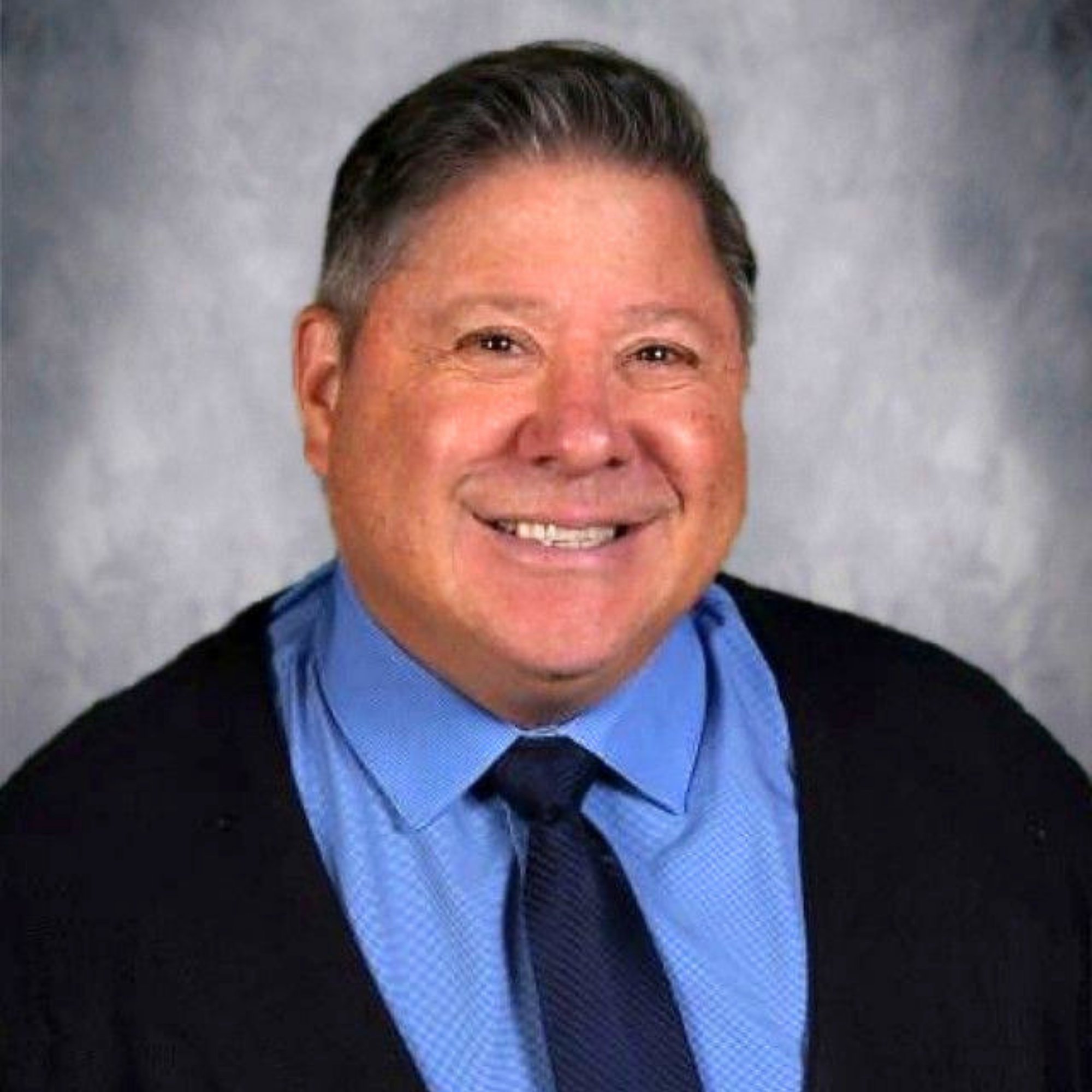
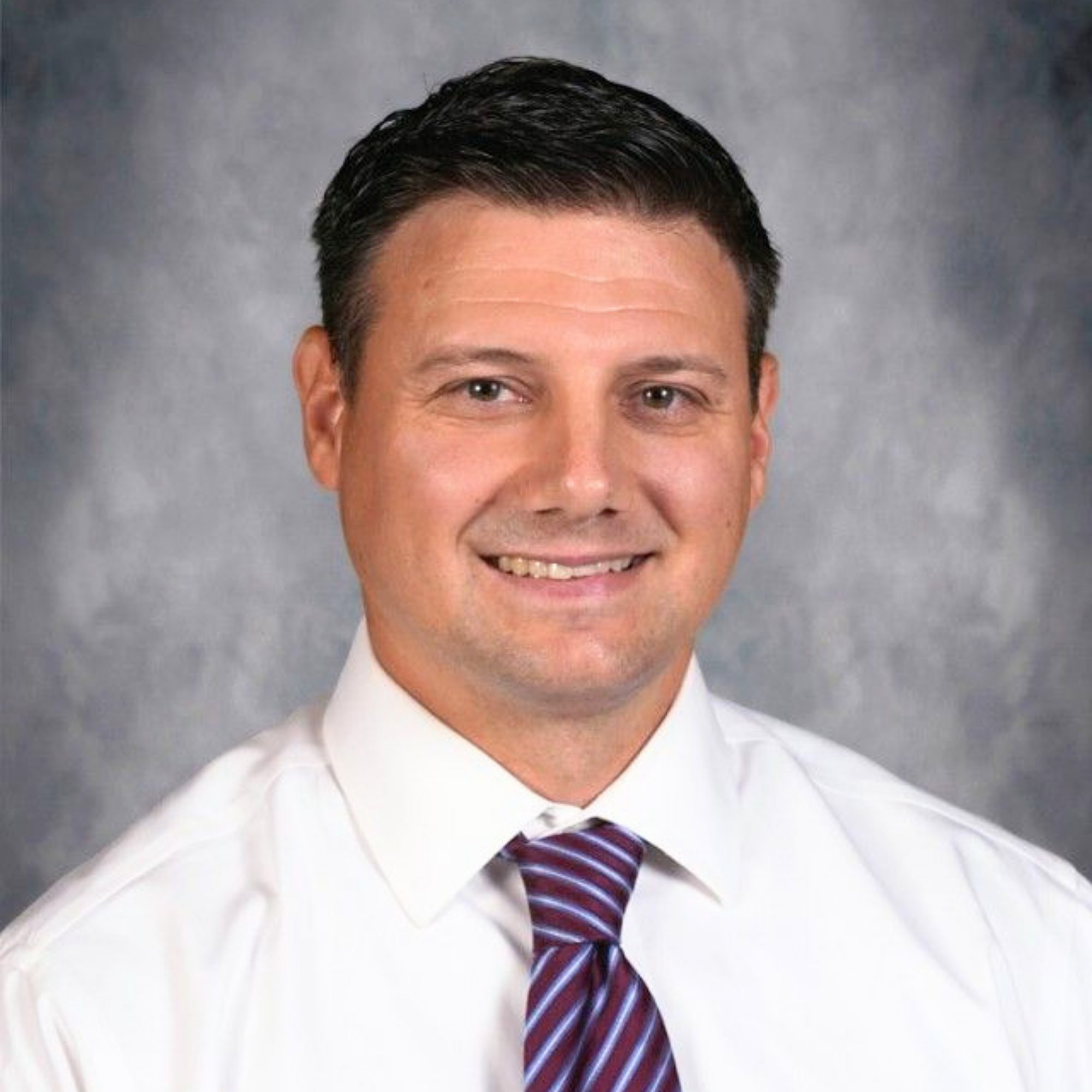

Principal & Assistant Principal, Peifer Elementary School
Doug DeLaughter has been principal of Peifer Elementary in Schererville, IN since 2000, and is a two-time Indiana District 1 Principal of the Year.
Dan Grunewald is in his sixth year as Peifer's assistant principal, with a background in teaching and instructional technology coaching.
[00:00] Kimberly Bailey: That's what I'm talking about. And then Marie, I'll be full screen, so I won't really be able to see the chat. So please feel free to kind of like welcome people in and whatnot.
[00:27] [Pre-show chatter]: Oh, you got a great office. We'd have to blur my office. No, we wouldn't.
[00:49] Kimberly Bailey: Okay, hello everyone. We start to see some attendees coming in. Welcome, welcome, welcome. Everything is getting started right now. So I'll be kind of getting online, sharing my screen and we'll get going here in a few minutes. But I'm seeing 11 people in here so far. We're seeing Michelle, Travis. We're probably gonna see some note takers pop in here. That's so exciting. All the note takers get to join the party too today. And so Marie, I'll let you kind of keep an eye on the attendee number and kind of give us the go ahead here in just a minute or two. As everyone starts to kind of wrap up their school day, maybe you're still in it and you're kind of peeking in to this conversation as you wrap up the day. And we'll get started probably at 4:33. How about that? And as you're coming in, please drop in the chat where you're coming from, where you're tuning in from and let us know a little bit about you. We'll have a few icebreakers naturally right here at the beginning. So we'll get to know each other a little bit more, but go ahead and pop in where you're from, where you're tuning in from.
[02:19] Kimberly Bailey: Rancho, Santa Margarita, California. Hello, Arkansas. Doug and Dan here, where are you coming in from? You know, I even have to drop in the chat. We'll talk about that in a minute, but where are you at? We have to drop there. We see Smith Center, Kansas. We see Richfield, Ohio. Indiana. We'll give it one more minute. Everyone kind of gets settled. I don't know if anyone's of like a 4:30 central time coffee person or tea person. Getting a little more energy for the end of the day. Central Illinois. Hello, hello, hello. Okay, it is 4:33 and we have 27 minutes to get through this amazing conversation today. So let's get going. Hello, everyone. Thank you for joining us today for kind of the first Little Wins webinar in a series of webinars to come as we end the, end the 2026 and head into 2027.
[03:35] Kimberly Bailey: And today's conversation will be listen then lead. How Peifer Elementary's principal and assistant principal, who you see here, turned feedback into action. And so I'd love to introduce Doug and Dan from Peifer Elementary. They'll get to tell us all about who they are here in a little bit. But again, I'm Kimberly Bailey. I'm the VP of marketing here at Alpaca. And I have been here from the very beginning. So it's so, so, so exciting for us, for me personally and for Alpaca as a whole to get to join hands and kind of join together in a conversation with customers. But also to hear the brilliant ways that they're leading their schools, what they've learned over time, what they've learned in their career and what they're doing today to make school an extraordinary place to work. So we'll get to know them here in just a little bit, but thanks for being here, Doug and Dan, and we're so excited for the conversation. So everyone in the chat, a quick little primer here. Can you please pop in a number and tell me on a scale of one to five, how are you doing today? How are you doing at work? How are you doing at work today? On a scale of one to five, Doug and Dan you can always just put it up on your hands if you want. I'm feeling, I'm feeling a five. I'm feeling pretty good today.
[04:50] Kimberly Bailey: Today was kind of rough, you know, two, I'm gonna say three. Two, three, okay, fair. All right, one more second here on how are we doing today on a scale of one to five. Okay, now let's try this again really quick. How are you doing at work today? But try this instead. Can you give me two to three words or even one that describe how you're doing at work today? So no numbers this time. Can you tell me kind of one or two words, three words if you want that describe and here's a few kind of starting ones if you want. Obviously there's lots more to choose from than this. But give me a few words that are described how you're doing at work today with words instead of numbers. What do you think? I mean that's pretty exhausting. Fair. We're seeing determined, progressing, motivated, learning, improving, progressing, stressed, so fair. Motivated, great.
[06:07] Kimberly Bailey: Okay, so which experience did we prefer? And this can be rhetorical or you can let me know in the chat, but which experience did we prefer? The kind of one to five scale or a little bit more semantic, a little bit more words-based. It's maybe sometimes a little bit easier to talk about how we're doing at work and to explain that not so much in a summary of a one to five scale, but with words because there's nuance to those. There's a bit more of a story and kind of here at Alpaca we think that scores can be a wall but then more importantly words can open a door, open a conversation and create a more holistic story around kind of what is truly going on, what is behind the three? What's behind the one? What's behind the five? And knowing a little bit more about that from teams is kind of the core of what we do and we'll talk about that here in just a second. So thank you for joining me today. Here's our quick, we've got 24 minutes and I'm not gonna talk most of the time. So I'll start us off here with kind of introducing who Alpaca is and quickly kind of like, what are we feeling right now in schools? What do we see and what do we know about how staff and teachers are doing in schools right now? So we'll talk through just a quick little data point that we have found extremely helpful and interesting but has is really driving kind of this conversation today.
[07:24] Kimberly Bailey: And then we'll go inside Peifer and Doug and Dan will walk us through their amazing school, their team and kind of what they're doing, both on listening and leading. We'll leave you with the few little wins that you can take with you today. And then if there's time, which we hope there is, we can pop a few questions in the chat for question and answer at the end. And just as a reminder, if you have to slide off or if you're able to join for just a little bit, the recording of this will be provided early and then it will be submitted next week. So then you can kind of go back in and digest and take any other ideas or share it with a colleague. So really quick, who is Alpaca? I know that we have a lot of members of the kind of attendee audience here that knows little wins. So you might know a little bit about Alpaca. And so I wanted to make sure that we're all kind of know who Alpaca is and what we do, alongside the amazing resources and Little Wins newsletter and the kind of library that many of you know and love. So who is Alpaca? What are we on the mission to do here? We're actually on a mission to make school an extraordinary place to work. And how we do that is what Alpaca is is a school leadership platform powered by Teacher Voice.
[08:40] Kimberly Bailey: So here, across kind of four key areas with five components is what it builds up, what that platform is built on. So quickly that starts with listening, learning, supporting and then celebrating kind of as a system that you can then rinse, wash, repeat. And so where you start is with a quick Pulse check-in tool that we offer that's quick and easy for teachers to take that gets immediate feedback back to leaders at their building or district level. That survey turns into actionable insights and an easy to use beautiful dashboard that is always on with updated and both updated in real time data. And then what you can do with that data also in the dashboard in those insights are action steps. Try this tab full of ideas ready to use conversation starters those resources that you know and love but more importantly tied to the data that you're hearing from your staff. And then the celebrate part where shout outs come into play kind of in the survey itself at the last question of this quick Pulse check-in. It's five questions plus do you want to give a shout out to a team member all in this quick little post check-in. And so those shout outs come back to the school leader where you can see amazing things that are happening in your schools and buildings. And then you can always add on kind of this real life tangible celebration and these great celebration kits.
[10:01] Kimberly Bailey: And we'll kind of walk through some of how this works up Peifer today and other other things that they do to build a great school culture how they lead their team and how they're making school an extraordinary place to work. All of that all the things that we do and everything that we build here at Alpaca is based around 10 themes that help leaders understand their team better. So one more little kind of audience engagement moment here can anyone kind of tell me focus areas that they have right now with their schools? Is it around kind of team trust on like the belonging and recognition side? Are you fully focused on kind of autonomy as purpose and safety kind of in that leadership support and workplace help a focus area for you? Either drop it in or it's a great kind of slide to go back and talk through with your team around what is our focus this year? How are we, what kind of levers are we pulling? What are we doing kind of as a leadership team to make impact on this? And but everything that we do on the platform is at the foundation based on these four key drivers here in the middle and then these 10 key themes. And most importantly, all of these data points that come from the Pulse survey, from the check-in is a growing amount of information around teacher voice.
[11:23] Kimberly Bailey: And so we're able to really understand and understand kind of themes and help you throughout the year with 500,000 plus teacher inputs that we are able to kind of bring back into the platform and make it even smarter to help you understand what's the most helpful for you as leader to take the guesswork out and that will kind of support your teams as you go day in and day out and week over week throughout the school year. So we're in November, what day is it? November 12th, we are in almost the middle of November. So who is kind of feeling it in school right now? And I heard Doug and Dan, I heard a little bit of exhausting. It's, it can be feel like a trying time right now in schools and not always. There's lots of glimmers and great things that are happening too. But actually based on the school culture report that we brought, that we kind of launched this year, we saw that we're kind of in this key moment right now where there's this November dip that positive does show kind of a predictable trend. And that's why we wanted to kind of bring these tools to the table today and have this discussion around what are a few things that you could be trying right now in your school and in your district to kind of get ahead or kind of react to in a proactive way this November dip as we kind of know that it impacts, that retention effort over time and impacts like cutting off some of those kind of tough words that come through either that you're hearing from your team or through the pulse check-in.
[12:55] Kimberly Bailey: How can you support them right now and what is the most meaningful? And so this is mostly just to say we hear you, we see you and we're kind of here to support you with kind of that whole system but also kind of the full data and framework behind it that we kind of know outlines and those alongside the school year. And that's all because we know that building school culture starts with finding and celebrating little wins. Yes, it's hard, but also how do you double down on what's going great? And then kind of it all starts with this question of how are you doing? So, Doug and Dan, it's your turn and I'm gonna flip off my screen so then you can kind of guide us through the next part of the presentation as at the speed and for you to tell the story and I'll let them get situated here, pull up these slides. Team trust is a big area. I'm feeling stressed and feeling determined. We hear you and we see you. Okay, unmute you.
[14:12] Kimberly Bailey: There we go, there we go. There we go. All right, Doug, Dan, take it away.
[14:17] Doug: Well, welcome everybody and I gotta tell you Peifer Elementary School here in Schererville is a really great place to be. Last year at the fall principals conference in Indianapolis for the principals conference, if you call it, almost a couple of weeks now, it's the week of Thanksgiving. Last year at this time, I was just at the conference and decided to visit some of the vendors and Alpaca was one of the vendors there at the conference. So I went up to the table and I was completely hooked on it immediately. And so after the conference, I came back and talked to several of my teachers, my assistant principal, Dan, my school counselors and I had a little bit of a sample of what it would look like and every single one of my staff members that I took it to, I took it to a couple of parents [unclear]. I took it to a few teachers, union leaders, people here in the office and my social workers and everybody was like, yeah, this is something we need to work on and this is something that would really be suited for our school. So that was by the time we got that all taken care of a half of the year was gone. So we decided to wait until this school year to jump on and do it the whole school year.
[15:37] Doug: And it's, and we waited and we right at the end of the summer, we started it and it has been a wonderful journey. And so we had a lot of participation and we still do, some of the participation has dropped off a little bit, but they're coming. We are at least for November, people are still taking the surveys now. So we're still getting numbers rolling in. But even since the beginning, the words that the teachers were using were so descriptive. And the reason I'll just back up, the reason I really looked at it was because teachers across the corporation here at Lake Central Corporation were saying that teacher morale was low. And, but nobody was coming to us and saying anything. So you can't be mind readers, right? So this is an anonymous survey. So we both were like, well, if this is anonymous, well, at least they can be, there's power in anonymity, right? So they, and people are being very honest. Most of it was really, is really positive. So I'm finding that when people are saying morale is low, it might just be one or two people. But in general, our positivity pulse is above the Alpaca average, let me just tell you.
[16:56] Doug: And so our dip more was in October, right now in November, our positivity pulse is up like one point, I think. But yes, I'm excited about it. But the comments the teachers are putting in, the words that they're putting in are still very positive in our opinion. And, but some of the, like we were talking earlier, like some of the comments that people were saying, they're anonymous, you don't know who they come from. But at the October, we had a staff meeting October and I said, well, listen, we would love to help these comments that might be a little bit more challenging but we don't know who they come from. And it's from like one or two, three people. So if you're comfortable enough to go to someone, one of the four administrators that we have, it's my assistant principal Dan and myself and my two counselors, go to one of us and let us know so we can help you. Because if we don't know who you are, we can't make it better. And one of the teachers came to us afterwards and like at the end of the day and said, I was drowning, that was me. And we talked about it and we kind of worked out a solution right then and there and took care of it.
[18:12] Doug: So what we're finding now is that people are more open to coming and saying, hey, I took the survey, I'm the one who said this comment. And they're just being more open about it. And the conversations all across the building are just, they're being more free and being more open to talk about how they're feeling at school. And they know that everybody here will listen. And if there's something that we can do for them, they know that now that we can, there's a lot of, a better level of trust that we can help people take care of those things so that we can make it a better work environment for everybody. And I'm gonna forget to, oops. That's me and Dan. And then this was, these pictures were very quickly, this was at our Veterans Day program. We had last Friday and it is jam-packed every year with community members and veterans from all over the place. And we have a middle school band and a choir that we feed into, comes and helps us. And it is a very visible thing in the community. And so we do that.
[19:29] Doug: Now, as it says here, I've been here since the year 2000. So this is my 27th year here in the building. And this is Dan.
[19:40] Dan: That's my sixth year here and 15th year overall in education. So it's been a blessing coming over to the elementary side because I was, I was a middle school person before. And yeah, no, the little ones are great.
[19:54] Doug: He drank the Kool-Aid.
[19:55] Dan: Yeah.
[19:57] Doug: So as we come in, our school, basically these words keep coming up more and more. These are the ones we see over and over since we started it in August, August, September, October and in the ones in November, we're seeing these words more often than anything else. And we look at this survey a couple of times a week, mainly, and I'll talk about shout-outs in a second, but mainly to get those shout-outs printed out and deliver those to people. But people are feeling really comfortable and it's much more of a family feeling. More connected, definitely more connected. And when we talk about the shout-outs, I think that's a big way to connect your staff members and to recognize them and to really show the, all the little wins in the building that everyone might not see. We, there was a, right before fall break, we noticed that it was, people were starting to, it was a long haul from the beginning of the year to fall break and so that's our school. So we were doing some activities and we'll talk about that in a second, but we were doing some activities to kind of build staff morale.
[21:13] Doug: And we thought, it's either gonna work great or it's gonna tank, you know? And it worked wonderfully. When I was hired in in the year 2000, the superintendent of that time said, hey, listen, Peifer has the reputation that when you open the doors, all these wonderful things that you see there, all these wonderful things come out of the door and you can feel it. It's a physical feeling when you walk into the building and we still have substitutes and other people that come in and say, it just kind of feels different here. And so that was my task. The superintendent said, you better, that's one thing you have to keep it up. So that's been a driving force that has been very, very front of my mind the entire 26 years that I've had finished here. So, and that was one of the questions I think when I hired Dan is like, how are you gonna make sure that this continues? So that's when we were hearing morale was low, but we couldn't figure out what they were talking about. Morale is a huge term, a huge concept. And so we needed to break it down. And that's when I heard what Alpaca could do for us. That's when we jumped on board because it really breaks it down into what does that mean?
[22:32] Doug: And there are so many, like those 10 themes, it's wonderful to get it into the different themes. So we sent out our pulse, we sent out the survey and we had a QR code that was provided and we ran that QR code off. So every teacher has it in their room. It's posted in the office about three or four different places. So people can scan those and do them at their leisure. I just send out little things at the beginning of each month, say, hey, don't forget to do your survey. And then I'll say it announcements, hey, don't forget to do your survey. And once people start getting shout outs, which we'll talk about in a second, they'll say, oh, I haven't done my survey yet. So that kind of motivates them to get going and start sharing wonderful things about other people that are in the building. So Alpaca does a wonderful thing. They combine all of your information for the month and they make it into a presentation for you so that all you have to do is share that and then that creates talking points for your whole staff. I share it with everybody, everybody, every adult in this building, or that comes into this building for any reason that would have any impact on the building itself or the students here.
[23:56] Doug: So itinerant people, cafeteria, custodians, everybody, it all gets shared with everybody. And so everybody can see the anonymous results that are like the comments that are made, where we're growing, where we need work on. And the thing that is great that is if we need work on something, Alpaca has this dropdown link where if it's, okay, this is what we're working on, you can click on that dropdown and it gives you a billion ideas on what you could do to help that area. So those are incredibly helpful for us. And so this was at, was this August? August, we came in at 87% in August.
[24:50] Kimberly Bailey: I pulled it, Doug, I actually pulled it for you from August to now. So this is the last few months for you.
[24:57] Doug: Oh, perfect, perfect.
[24:58] Kimberly Bailey: So you can see we had a little bit of a dip in October and now we're starting to come up a little bit
[25:02] Doug: in November, but I pay attention to the most. And what we can see there is, those are really high numbers. And so when we keep thinking, well, where was morale low? Where was it? And it's just a few people. So we can address those few people as the trust grows at our school. And so that's, these are the, how our team feels, these are the most, the words that appear most. You can get top words, positive words, negative words, things like that. And so I know I'm gonna be running out of time here. And I don't wanna lose it, but this is where this screen here is where if there's something you can work on, there's little dropdown menus right there that will give you ideas and they're wonderful ideas. And we actually took one of them. And I think there's a picture in here somewhere. We did, yeah, that was the one, the teacher that came to us and said, I'm drowning, that was me.
[26:18] Doug: And I'm trying to think, where is it? Right there. There it is. So Orange You Glad It's Friday, that was an idea from Alpaca. So on one Friday, the staff, the office staff and part of our PTO just decided to surprise the whole staff with just stuff on, anything orange. And some of it was healthy and some of it was just fun. So I won't say unhealthy, but it was some of it wasn't that healthy. But so Orange You Glad It's Friday was a great idea. And I'll tell you what that has spurred on in just a second. Another thing we did to one of the things that the staff said, we just wanna have fun together. So during the last week before Halloween, we, one of our teachers found this clue game that you can play with your entire staff, your entire school body. And so four of our staff members decided to agree to be these, the characters from Clue. And we kind of jazzed them up a little bit with ChatGPT and they became these characters. And it was a radio play that we did over the announcements and they had to guess every day, it was a creative writing assignment. And we had people walking all over the building trying to find clues and trying to find the answer to the clues that we gave out every day.
[27:40] Doug: And staff, they were talking to other staff members, students were coming up and pacing around the office, lobby to think how many steps it was. A ton of great conversation, a ton of wonderful creative writing and everybody. And we had one teacher that doesn't typically get involved but she said, I'm keeping a detective notebook and we're going to win. And so it was, that just brought out stuff in people. It was awesome. And then Dan, why don't you talk about the last thing there?
[28:09] Dan: Yeah, and then we have our PBIS program which entails four assemblies at the end of each quarter and it involves staff and students. Students earn gold coins for being either respectful, responsible or being ready and safe or just being a kind human. And they get put in a drawing and at the end of the nine weeks, if your name gets drawn, you get to participate in the Minute to Win It games and you get to pick a staff member of your choice to play with you in that game. So we want our staff and our students to bond with one another to form those positive relationships and to see the fun side of our staff. So that's just a picture of our entire student body and staff being involved in some fun Minute to Win It games and it just really brings out, I don't know, just the personalities in everyone and they can see how everyone can get along and have fun together.
[29:06] Doug: And speaking of fun, here's the shout outs that we were talking about. Shout outs are just things that they can write at the end of the survey and you can put it in as many as you want to. And these are some of the things that people are writing to our teachers and we're finding comments that we would have never known about. They're like, oh, someone did that and they are having the best time sharing and going, I printed out what, I can't remember how many I did in November already and it was a ton of them and almost every teacher got one. Almost every teacher, classroom teacher got one. And that's just from a bunch of people on the staff and we walk around and we pass those out personally and then I say, here's your personal copy. Is it okay if we post this publicly and everybody is like, well, of course you can. And so we have them posted in the office in the mailbox room where everybody gets their mail and everybody looks at those all the time and they're looking a lot of times to see who hasn't gotten one. So when they do their survey, they can make sure to recognize people who haven't been recognized yet. So there's a lot of love flowing and there's some really cool comments that people are saying that are very unique to individuals, very unique to grade levels, a lot of encouragement.
[30:31] Doug: And that is the thing that we love the most. It's just, and they're just running with it and those shout outs are very, very powerful, very powerful. And then the little wins that we have, I think one of the things that we have to make sure that we do is we're very rarely in our offices, we're out and about all the time and we make sure to get into classrooms every day. We are in the hallways in the mornings and the hallways throughout lunches and in the lunch room, we pop into classrooms just to pop in to see if they need help. We do kind of crazy things to embarrass ourselves just because the kids love it. So we do a lot of little events, fundraisers for charities and things like that that we do, we go sit up on the roof sometimes, we'll get buckets of water thrown on us at the, when it's nice and warm. And then we do, I mean, just stuff like that is something that really helps. Now, after that Orange You Glad It's Friday, what happened?
[31:47] Dan: Yeah, we have had a lot of staff just come up to us with ideas that they want to bring and kind of get the entire staff involved with. Someone was trying to do a couple of Christmas get-togethers or some activities in the building, kind of like the clue game. So people are just bringing ideas since they've seen the ball rolling, they wanna jump on and provide us with ideas and we're all about getting ideas from the staff because that means they're buying into this.
[32:17] Doug: We had in the best interest do the Crock-tober idea that came from Alpaca and that just didn't happen. It's gonna be a Christmas one. So one of the teachers said, why don't we do Crockin' Around the Christmas tree? And so we're gonna do, she came up with that herself. So the signup is already out in our emails already. So that came from a teacher. And there was another teacher that put another thing out there just as an idea for the staff. So it is spreading that feeling of camaraderie, that feeling of, hey, we can do this. And a lot of people are talking to more people than they've talked to before, like outside of their own little grade level group and the lot more collaboration, a lot more cross level vertical alignment is happening. They're talking to each other about stuff because they're feeling more comfortable. And so we have a lot of that to thank Alpaca for. But I think the biggest thing, the little one that I have is just, you can't lead your school from behind your desk. So you have to get out there. And if there's a lot of paperwork to do, Dan and I find out that we just have to do when everybody leaves. Before we have to leave at the end of the day. So we just get out there and...
[33:32] Dan: Yeah, I've learned from Doug that you have to put yourself out there. And that's what Alpaca does. It puts us out there. I have to admit, I mean, I was a little nervous. I didn't know how the surveys were gonna go, but that's just part of it. You gotta put yourself out there and be vulnerable and just do the best you can.
[33:55] Doug: Yeah, and we do get nervous because sometimes we hear little rumblings and we're like, oh, this survey is gonna tank. And even if it does, then we can deal with it. And so you can't be afraid of it. And then we just adjust. Yeah, you just adjust and really find things. And we spend kind of talking about it all the time. And like, what can we do to make it better? What can we get out there and do? We get out, we have little notes that we actually printed from Alpaca on color paper that we take out and put on teachers' desks when we visit the classrooms. Just little positive notes about stuff that we saw. And so we do that often. Just little, and you see people in the hall, like, hey, and we're finding that it makes you more observant, you know? And so you can notice little things. And I'm seeing more teachers notice likely, oh, I heard someone say, oh, you got your haircut. It looks nice. And so those little things probably wouldn't have happened as readily as they do now. So we are thrilled with what we're doing. So that's one of the things we get when we were raising money for Riley Hospital in Indianapolis. And so one of the, is Plaster the Principal with Post-it Notes.
[35:12] Doug: And so for every one of those, there was a donation. And on that day alone, our goal is always like $1,000 for the week. And that day alone, we raised over $1,000. So that's kind of, and we walk around with that stuff on us all day long. So-
[35:28] Dan: And we go to meetings with it.
[35:29] Doug: Yeah, we go to meetings.
[35:30] Kimberly Bailey: So good.
[35:31] Doug: And there's Halloween. We have a great big Boo Bash. That was us at Halloween party. That kind of crazy. And then one of the things that I had, even when I taught school in Munster, when I taught in Munster was, you never know when you're making a memory. And you never know if a memory, what you're doing or what you're not doing can make a positive impression or a negative impression. So you have to be purposeful with what you do. Because if kids and students and adults are more comfortable to come to school, they're more apt to learn more readily. And so we have to be very careful what kind of memories we're making with adults and with students alike. And with parents and with the community and central office people. And so we want their memories of what they do when they come here to school, whether they're an adult or a child, to be a positive one. So we have to really watch ourselves and keep ourselves in check all the time. And we talk to each other every day. And we do a detox at the end of the day. You know, and say, what went right? What went wrong? What could we have done different? Or sometimes it's just sitting in a chair and just kind of staring at each other and saying, what was that?
[36:52] Doug: So that was today. So that's our journey in a nutshell. If there's something else I could add, Kimberly, let us know. But I'm gonna tell you, this was a wonderful gift to our school joining on the Alpaca team. And we are very grateful.
[37:13] Kimberly Bailey: We're so, so, so glad to hear it. And that was a beautiful kind of quick story. And I think more importantly, beautiful and really intentional example of how you do what we said on the very first slide, like listen and then lead, how you kind of take the reins on, okay, I'm gonna put myself out there. I'm gonna ask for a little bit of feedback more often. I'm not gonna be kind of scared to have that. And what we are so, like, where I get so proud of hearing this part where we just play a very small part in what you're doing as you lead your team. But we're so glad that it is making, like a little bit of that data, a little bit of that feedback a little bit more often is making this kind of like, it's creating like awesome, really incredible turns for the culture, the engagement, teachers to staff, or teachers to students, students to staff, you too as leaders as you grow and kind of always adapting and growing. So thank you so much for sharing that story. And thank you everyone for just a few extra minutes that you have given us today. I'll make note that we'll make these 45 minutes as we go because these stories are so good. I never wanna cut them off. But Doug and Dan, thank you so much for joining us today.
[38:30] Kimberly Bailey: Thank you for sharing kind of even some of the vulnerability that comes with, comes with the learning of taking a tool like this on. But more importantly, just how you're thinking about making school an extraordinary place to work, it's apparent that you're doing a great job. So thank you so much. Hopefully to those in the audience, thank you so much for joining us today. There's a few resources here. These will also get shared to you via email after the presentation today of Little Wins Library. All like the links to everything that Doug and Dan talked about today, we will make sure is kind of ready to go for you. So you're like, I wanna go try that next week, Crock-tober, we'll just call it, I'm sure there's a November version, we'll make sure that you have what you need for that. Also that school culture report, if you wanna dig into a little bit more of the data that we have seen over time. And then of course, if there's anything that we can do as you kind of go into the last few months of this calendar year, but there's still plenty of year ahead in the school year, we'd love to assist you, we'd love to partner with you, we'd love to kind of help you lead your team with the variety of tools that we have. So if any of those are kind of something that you'd like to try going into the back half of the year, we would love to have that conversation.
[39:49] Kimberly Bailey: And so please reach out on our website, kind of via chat, but we'll also via email and we'll make sure that we get you situated as soon as we can to kind of help you also have this ability to listen, ask very simply how's your team doing and then lead from there. So anyways, Doug, Dan, thank you so much for joining us today. Everyone that's online, thank you for the extra time today. And I hope everyone is having a good kind of middle to end of the week. I like Thursday, we're almost there. And I hope everyone has a great rest of the evening, great rest of the day and we'll chat soon and we'll follow up with all the resources afterwards. But anyways, thank you so much. We'll kind of log off here and we'll kind of hang out for another minute or two. If there are any questions, you can always drop them in the chat. We'll make sure that we're available for another few minutes. But if there are not, then we'll kind of just, I need some like background music as we close this down. But if we see any questions come through, Marie will pop them in for us. But also if not, we'll be available via email and later on.
[41:04] Kimberly Bailey: We'll give it just a minute or two as people start to log off or if there are any questions. Well, and then we'll kind of, we'll wrap up the day. Oop, I just saw a chat pop up here. Thank you, Doug and Dan, everyone's cheering you on. I don't know if you can see the chat, but that was awesome. Thank you so much and can't agree more. There'll be more webinars to come, but couldn't have thought of a better duo to join us for one of our very firsts. So we're so okay. And we get to see you soon in Indianapolis in like a week and a half. We can't wait. I'll be looking for you. Perfect. Alrighty team, I think that'll be it for us today. We'll shut it down, Marie, and we'll see you again next time. Bye everyone. Bye, Doug and Dan. Bye.
A 28-page companion built around the workshop. Use it to capture notes, find your three takeaways, and plan the year ahead.